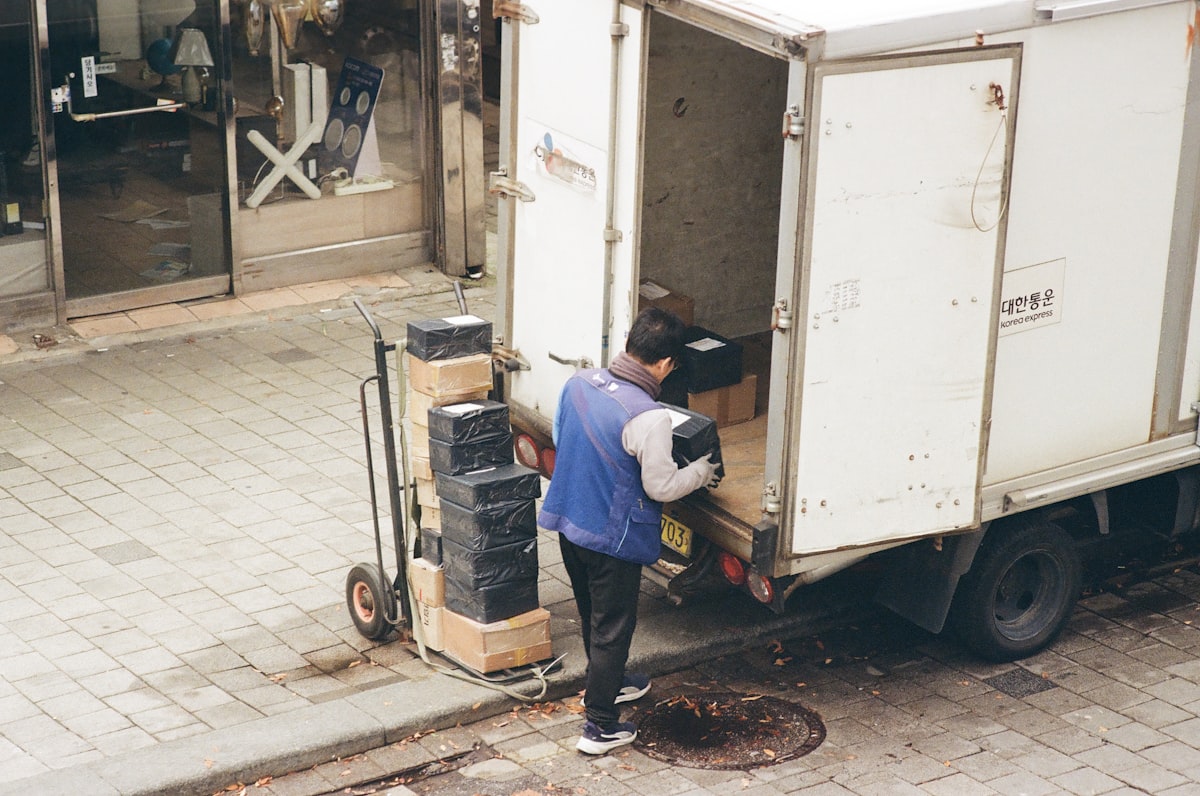
Logistics manager inspecting wholesale supply chain

How to Verify an Authentic Wholesale Distributor (2026)

Anyone can put “wholesale” in a website name. Far fewer sellers can actually prove their supplier is an authentic, authorized wholesale distributor rather than an unauthorized middleman reselling gray-market stock. For Amazon, eBay, and Walmart sellers, that difference decides whether an invoice actually protects your account or falls apart the moment a brand or marketplace asks questions.

This guide covers what “authorized” actually means, the documents a real distributor should be able to produce, and the checks worth running before you commit to bulk purchasing from any new supplier.

Authorized Distributor vs. Gray Market vs. Unauthorized Middleman

These three terms get used loosely, but they mean different things:

Authorized distributor: Has a direct, documented purchasing relationship with the brand or manufacturer (or with another authorized link in that chain). Stock is genuine and traceable back to its source.

Gray market seller: The product itself is genuine, but it was diverted outside the manufacturer’s approved distribution channel — sometimes imported from another region, sometimes purchased and resold outside the terms the manufacturer set. The goods are real; the sourcing path isn’t sanctioned.

Unauthorized middleman: Buys from wherever is cheapest (liquidation lots, other resellers, sometimes counterfeit-adjacent sources) and resells without any real relationship to the brand. This is where the highest risk of counterfeit or inconsistent product sits.

For a wholesale buyer doing bulk purchasing to resell on Amazon, the practical risk of the second and third categories is the same: no clean paper trail if your account is ever asked to prove authenticity.

What an Authentic Distributor Should Be Able to Show You

1. A Real, Itemized Invoice

Every order should come with an invoice showing the supplier’s full legal business name and address, the date, itemized products with UPC/SKU identifiers, quantities, and unit pricing. This is the single most important document for both your own records and for Amazon ungating or inauthentic-complaint appeals — see our invoice vs. receipt breakdown for exactly what qualifies.

2. A Verifiable Physical Presence

A real distributor has an actual business address you can look up — a warehouse or office, not just a web contact form. A quick check of the address (and confirming a phone number is actually answered during business hours) filters out a surprising number of fly-by-night operations.

3. Business Registration

Legitimate US distributors are registered to do business in their state. This is public information in most states and takes a few minutes to check.

4. Brand Authorization, When Asked

Not every distributor will hand over a manufacturer’s authorization letter unprompted — and for common consumer goods bought at genuine wholesale pricing, this is less often the sticking point than the invoice itself. But a distributor who gets evasive or defensive when you simply ask “are you an authorized reseller of this brand?” is telling you something.

5. Consistent Terms in Writing

Minimum order quantities, pricing tiers, and payment terms should be stated clearly before you commit, not negotiated verbally and forgotten. A wholesaler with real inventory and real terms can put both in writing without hesitation.

Why This Matters More at Bulk Volume

A single bad unit from an unverified source is a minor loss. A pallet of it is a real financial hit — and if it’s flagged inauthentic after you’ve already listed it, you’re dealing with a compliance problem across your whole batch, not one item. This is exactly why protecting against Amazon inauthentic complaints starts before you buy, not after a complaint lands. The bigger the order, the more that upfront verification is worth the extra 20 minutes.

Red Flags Worth Walking Away From

Pricing that’s dramatically below every other source for the same brand and quantity, a refusal to provide any invoice or only offering a generic receipt, no verifiable business address, and pressure to wire payment immediately before you’ve asked a single question are all reasons to keep looking. None of these guarantee a scam on their own, but stacked together they’re a pattern worth taking seriously.

✓ Verified Amazon Wholesale Supplier & Distributor

Wholesale Distributors US ships every order with a real, itemized invoice from a verified US business — the same standard this checklist describes. If you’re comparing suppliers for wholesale purchasing or bulk purchasing, feel free to ask us for our own business details before you apply.

FAQ

What’s the difference between an authorized distributor and a gray market seller?

An authorized distributor has a direct, documented relationship with the brand or manufacturer. A gray market seller has genuine product, but sourced outside that approved channel — the goods are real, but the paper trail back to an authorized source is missing or incomplete.

Can a wholesale invoice alone prove a distributor is authentic?

A complete, itemized invoice with the supplier’s real business information is the most important single document, and it’s often what marketplaces and brands actually ask to see. It’s not a substitute for checking the supplier’s business registration and physical presence, but it’s the document that matters most for day-to-day account protection.

Should I ask a wholesale supplier for a brand authorization letter?

It’s reasonable to ask, and how a supplier responds tells you something. Many legitimate distributors of common consumer goods rely on the invoice itself rather than a separate authorization letter, but a supplier who gets evasive when asked directly is worth being cautious about.

What’s a reasonable first step before committing to bulk purchasing from a new supplier?

Verify the business address and registration, request a sample invoice before you order, and consider a smaller first order to confirm the product and paperwork match what was promised before scaling up to a full bulk purchase.

Related reading: How to Vet an Amazon FBA Wholesale Supplier | Invoice vs. Receipt for Amazon Ungating | Protecting Against Amazon Inauthentic Complaints | Amazon FBA Wholesale Business Model Guide | Bulk Purchasing for Amazon FBA: Lower Your Unit Cost | Wholesale Purchasing for Amazon, eBay & Walmart Resellers | Wholesale Purchasing Mistakes New Resellers Make | Do You Need a Resale Certificate to Buy Wholesale? | Wholesale Purchasing Payment Terms: What to Expect | Minimum Order Quantity (MOQ) in Wholesale Purchasing | Authentic Distributor vs. Manufacturer Direct | What Is a Wholesale Account and How to Open One | Wholesale Distributor Scams: Red Flags to Watch For | How to Negotiate Wholesale Pricing Without Burning the Relationship | How to Read a Wholesale Invoice: Every Line Explained | How to Find Wholesale Distributors for Amazon FBA | How to Spot Counterfeit Products When Buying Wholesale | Amazon FBA Tariffs 2026: Why Wholesale From a US Distributor Protects Your Margins | Wholesale Purchase Orders: What to Include Before You Place a Bulk Order | Wholesale Payment Methods: Which Is Safest for Bulk Orders | Wholesale Return Policies: What to Expect | Wholesale Liquidation vs. New Overstock | Single vs. Multiple Wholesale Suppliers | Wholesale Distributor Agreements: Key Clauses | Reverse Sourcing: How to Find Wholesale Distributors Behind Winning Amazon Products | How to Vet a Wholesale Distributor’s Online Reputation Before You Order | Do You Need a UPC or GTIN Exemption to Sell Wholesale Products on Amazon? | Kimberly-Clark/Kenvue Deal: What It Means for Aveeno Wholesale | CeraVe’s New Amazon-Exclusive Water Gel | Buying Wholesale Toys and Games for Amazon Resale: CPSIA Compliance Guide

Apply for a Wholesale Account

What Is Amazon FBA Wholesale? The Complete 2026 Business Model Guide

Amazon FBA wholesale means buying established, recognizable brand products in bulk directly from a manufacturer or authorized distributor, then reselling individual units on Amazon — usually onto an existing product listing rather than creating a new one. It’s one of the more approachable ways to start selling on Amazon, and it’s the model this business is built around.

How the Wholesale Model Actually Works

The mechanics are straightforward compared to other Amazon business models:

  1. You buy case-quantity inventory of a real, already-selling brand product from a wholesale distributor, at a price below retail.
  2. You get approved to sell that brand or category on Amazon where required (see our ungating guide by category).
  3. You list your inventory on the existing Amazon listing for that product — you’re not creating a new ASIN, you’re adding your offer to one that already has sales history, reviews, and search ranking.
  4. You fulfill orders via FBA (or FBM), and compete with any other sellers on that same listing for a share of the Buy Box.

That last point is the core difference from private label: you don’t own the listing, and you’re not the only seller on it.

Typical Startup Costs and Margins

Industry surveys of Amazon wholesale sellers commonly cite an initial investment in the roughly $2,500–$2,700 range to get a first order moving — covering business setup, seller account costs, and first inventory purchase — though the real number for any individual seller depends heavily on product category and order size. Profit margins for wholesale are typically cited in the 10–25% range per unit after fees, tighter than private label because you’re competing on price against other sellers of the identical product rather than setting your own. We break this down in more detail, including a more realistic two-stage view of testing versus sustainable capital, in how much capital you actually need to start.

Wholesale vs. Other Amazon Business Models

  • Private label: You manufacture and brand your own product, own the listing outright, and don’t share the Buy Box — higher potential margin and control, but far more upfront work and risk building a brand from zero.
  • Dropshipping: No inventory held at all; the supplier ships directly to the customer. We cover why this is a materially different (and often non-compliant) model for Amazon specifically in wholesale vs. dropshipping for Amazon FBA.
  • Retail arbitrage: Buying individual discounted items from retail stores to resell — low barrier to entry, but not scalable to case-quantity volume the way wholesale sourcing is.

The Real Challenges

Wholesale isn’t without friction, and being upfront about it matters more than pretending it’s easy:

Why Sourcing From a Verified Wholesale Distributor Matters

Nearly every challenge above comes back to the same thing: having a real, compliant invoice from an authorized distributor. It’s what gets you ungated in a restricted category, it’s what protects you if an authenticity complaint lands, and it’s the difference between a sustainable wholesale business and one built on sourcing that can’t be verified.

Is Amazon FBA Wholesale Right for You?

Wholesale tends to fit sellers who want a faster, lower-risk path to a first sale than private label requires, are comfortable competing on execution (pricing, inventory depth, account health) rather than owning a unique product, and can commit to sourcing only from verifiable, authorized suppliers rather than chasing the cheapest possible unit cost.

FAQ

What is Amazon FBA wholesale?

Buying established brand products in bulk from a manufacturer or authorized distributor, then reselling them on Amazon’s existing listing for that product, typically fulfilled through FBA.

How much does it cost to start an Amazon wholesale business?

Industry surveys commonly cite a starting range around $2,500–$2,700, though the real figure depends heavily on your product category and order size.

What profit margin can I expect from Amazon wholesale?

Commonly cited in the 10–25% range per unit after fees — tighter than private label, since you’re typically competing on price with other sellers of the same product.

Is wholesale better than private label for Amazon?

Neither is universally “better” — wholesale offers a faster, lower-risk start since you’re selling already-proven products, while private label offers higher long-term margin and control but requires building a brand from scratch.

Related reading: How to Vet an Amazon FBA Wholesale Supplier | Invoice vs. Receipt for Amazon Ungating | Can You Sell These Brands on Amazon FBA? | How to Verify an Authentic Wholesale Distributor | Bulk Purchasing for Amazon FBA: Lower Your Unit Cost | Wholesale Purchasing Mistakes New Resellers Make | Do You Need a Resale Certificate to Buy Wholesale? | Private Label vs. Wholesale Purchasing | Retail Arbitrage vs. Wholesale Purchasing | How to Find Wholesale Distributors for Amazon FBA | Reverse Sourcing: How to Find Wholesale Distributors Behind Winning Amazon Products

Apply for a Wholesale Account

How Wholesale Resellers Can Protect Against Amazon ‘Inauthentic’ Complaints (2026)

Getting hit with an Amazon “inauthentic” complaint feels alarming even when you’ve done nothing wrong — and genuine, correctly-sourced wholesale products do get flagged. The good news for legitimate wholesale resellers: unlike counterfeit sellers, you actually have a real defense, as long as your paperwork holds up to what Amazon specifically wants to see.

What Actually Triggers These Complaints

Legitimate sellers get flagged for reasons that have nothing to do with the product actually being fake:

  • A customer complaint about appearance. A buyer reports that packaging looked unfamiliar or quality seemed off, and enforcement can trigger without Amazon even verifying the claim first.
  • A brand owner filing through Brand Registry. Some brand owners report resellers as a way to control distribution, even when the products being sold are completely genuine.
  • Invoice documentation gaps. Amazon’s automated systems can flag an account simply because the invoice on file doesn’t meet its formatting or verification requirements — not because anything is actually wrong with the product.
  • Retail or marketplace receipts used as “proof.” A receipt from a retail store, another marketplace, or a drop-ship supplier doesn’t count as valid documentation, and using one as your evidence often makes things worse.
  • Unusual sales velocity. A sudden spike in sales of a branded product (around a big sales event, for example) can itself raise a flag independent of anything else.

The Invoice Amazon Actually Wants

Across Amazon’s own policy guidance and seller-side reporting, the requirements for a qualifying invoice are consistent:

  • Dated within the last 365 days
  • The supplier’s full legal name and address (manufacturer, authorized distributor, or brand)
  • Your own legal business name and address, matching your Seller Central account exactly
  • Product identifiers (UPC or brand SKU) matching the flagged ASIN
  • A unit quantity equal to or greater than the number of units you’ve actually sold on that ASIN
  • An invoice number, payment terms, and a verifiable supplier contact — not a retail receipt, drop-ship receipt, or a receipt from another marketplace

This is exactly the distinction covered in our invoice vs. receipt breakdown — the same documentation standard that gets you ungated in a category is what protects you if a complaint lands later.

Why Buying From a Verified Wholesale Distributor Matters Here

This is the practical reason sourcing matters as much as price: a proper wholesale invoice from an authorized distributor, with your business details, the right product identifiers, and quantities that make sense, is the single strongest asset you can have on file before a complaint ever happens. Waiting until you’re flagged to go looking for documentation is much harder than already holding a compliant invoice for everything you’ve listed.

If You Do Get Flagged: Building the Plan of Action

  1. Pull the qualifying invoice first. Before writing anything, confirm you actually have a document that meets every requirement above for the specific ASIN in question.
  2. Address the root cause directly. A Plan of Action needs to identify why the complaint happened, not just assert the product is real.
  3. Show your sourcing process going forward. Describing how you verify suppliers and retain invoices going forward strengthens an appeal beyond just the one document.
  4. Submit through Seller Central with organized evidence. A single clear invoice with a short explanation outperforms a large, disorganized packet of unrelated documents.

FAQ

Can a genuine, authentic product still get an inauthentic complaint on Amazon?

Yes. Complaints can come from a customer’s perception, a brand owner filing through Brand Registry, or an automated documentation flag — none of which require the product to actually be counterfeit.

Will a retail receipt clear an inauthentic complaint?

No. Amazon does not accept retail receipts, drop-ship receipts, or receipts from other marketplaces as proof of authenticity — it requires a wholesale invoice from a verifiable supplier.

How old can the invoice be for an authenticity appeal?

Amazon generally wants invoices dated within the last 365 days, though the specific requirement can vary by case.

Does the invoice quantity need to match my sales exactly?

It needs to be equal to or greater than the number of units you’ve sold on the flagged ASIN — an invoice for fewer units than you’ve sold won’t satisfy the requirement.

Related reading: Invoice vs. Receipt for Amazon Ungating | Amazon Ungating Guide by Category | How to Vet an Amazon FBA Wholesale Supplier | What Is Amazon FBA Wholesale? The Complete 2026 Business Model Guide | How to Verify an Authentic Wholesale Distributor | Wholesale Purchasing for Amazon, eBay & Walmart Resellers | Retail Arbitrage vs. Wholesale Purchasing | Wholesale Distributor Scams: Red Flags to Watch For | How to Read a Wholesale Invoice: Every Line Explained | How to Spot Counterfeit Products When Buying Wholesale

Apply for a Wholesale Account

Winning the Amazon Buy Box as a Wholesale Reseller in 2026

If you’re reselling wholesale products, you’re usually not the only seller on that listing — unlike private label, where you own the ASIN outright. That changes what “ranking well” even means. There’s no separate search position to fight for on a shared listing; there’s only the Buy Box, and whether you get a share of it.

It’s Not Winner-Take-All

On a listing with multiple eligible sellers of the same product, Amazon doesn’t hand the Buy Box to one permanent winner. It rotates Buy Box impressions across eligible sellers based on real-time performance, giving each seller a share roughly proportional to their relative standing — not a fixed split, and not just whoever has the lowest price at a given moment.

What the Algorithm Actually Weighs

The exact weighting isn’t published by Amazon, but the factors that consistently show up across seller tools and guides are:

  • Fulfillment method. FBA carries a structural advantage since Prime eligibility and delivery speed are baked in; Seller Fulfilled Prime can compete but requires consistently high on-time delivery.
  • Landed price. Amazon looks at item price plus shipping combined, not just your headline price — a lower sticker price with added shipping can lose to a slightly higher, all-in price.
  • Order Defect Rate. This needs to stay under 1% to remain Buy Box–eligible at all; it’s one of the more consistently cited hard thresholds.
  • Shipping reliability. Late shipments and pre-fulfillment cancellations both weigh against you, particularly for FBM sellers — exact percentage thresholds vary depending on the source you check, so the safer target is simply as close to zero as your operation can manage.
  • Seller feedback rating. This matters more as the number of sellers on an ASIN increases — on a listing with many competing sellers, feedback becomes a bigger tiebreaker.
  • Inventory availability and depth. Consistent in-stock status, and how much inventory you’re actually holding, both factor into your share.

2026 Update: Amazon Removed the Featured Offer Eligibility Gate

Amazon made a structural change to how the Buy Box (officially the “Featured Offer”) gets decided, rolling out in waves from mid-2026 through the end of the year. It’s worth understanding if you’re competing for Buy Box share on a shared listing.

Previously, Buy Box eligibility worked as a two-step gate: first, a pass/fail performance check (Order Defect Rate, chargebacks, account health) determined whether a seller could compete for the Buy Box at all – fail that check and you were shut out entirely, regardless of price or fulfillment speed. Only sellers who cleared that gate then competed in the actual ranking contest.

Amazon has removed that first gate. Performance metrics haven’t disappeared – they still feed into account health and can still trigger enforcement action – but they’re no longer a standalone disqualifier that keeps a seller out of the Buy Box rotation before ranking even starts. Price, availability, delivery speed, and fulfillment method are now the primary inputs into a single unified ranking.

What this means in practice for wholesale resellers: sellers who were previously suppressed from the Buy Box due to marginal account health metrics can now re-enter the competitive pool on listings they couldn’t contest before. If your Buy Box share has historically been strong because a few competitors were gated out, expect more live competition on those listings as the rollout reaches more accounts – your historical win rate on a given ASIN may not hold. It cuts both ways: if your own account health has had rough patches that previously limited your Buy Box access, this change may open listings back up for you too. Either way, the practical response is the same – keep watching your Buy Box share rather than assuming past performance predicts future rotation, since the competitive set on shared listings can now shift with little warning.

Why Inventory Depth Matters More When You Buy Wholesale

This is where buying in case quantities gives wholesale sellers a real structural edge over smaller resellers: sellers holding more of the available inventory on a listing tend to capture a proportionally larger share of Buy Box time. A reseller restocking a few units at a time is more exposed to stockouts — and every stockout is Buy Box share you’re not getting even after you’re back in stock, since availability history factors in too. Buying wholesale in bulk isn’t just about per-unit cost; it’s also a Buy Box strategy.

Practical Steps to Improve Your Share

  1. Protect your Order Defect Rate above everything else. A slip here doesn’t just hurt one listing — poor performance metrics can pull down Buy Box eligibility across your account.
  2. Price on landed cost, not sticker price. Factor in your actual shipping/fulfillment cost when comparing yourself to competitors, not just the number customers see first.
  3. Default to FBA where the economics work. It removes shipping-performance risk from the equation almost entirely.
  4. Keep depth, not just presence. Being in stock intermittently is worse for your long-run share than maintaining steady, if smaller, inventory levels.
  5. Watch your feedback rating as your competition grows. On low-competition listings it matters less; on listings with many sellers, it becomes a real differentiator.

FAQ

Can multiple sellers get the Buy Box on the same listing?

Not at the same instant, but yes over time. Amazon rotates Buy Box impressions among eligible sellers based on relative performance, so multiple sellers on the same ASIN can each get a share rather than one seller winning permanently.

What Order Defect Rate do I need to stay Buy Box–eligible?

Generally under 1%. This is one of the more consistently cited hard thresholds across Amazon seller resources.

Does buying in bulk wholesale quantities actually help with the Buy Box?

Indirectly, yes. Inventory depth and consistent in-stock status both factor into Buy Box share, and holding a larger share of available inventory on a listing correlates with getting a larger share of Buy Box time.

Does FBA guarantee the Buy Box?

No. FBA is a structural advantage (Prime eligibility, consistent delivery), but it’s one factor among several, not an automatic win.

Related reading: Wholesale vs Dropshipping for Amazon FBA Sellers | Amazon IPI Score & FBA Capacity Limits 2026 Guide | How to Vet an Amazon FBA Wholesale Supplier | What Is Amazon FBA Wholesale? The Complete 2026 Business Model Guide | Wholesale Purchasing Mistakes New Resellers Make | Private Label vs. Wholesale Purchasing

Apply for a Wholesale Account

Amazon IPI Score & FBA Capacity Limits: What Wholesale Sellers Need to Know Before Q4 2026

Amazon quietly reworked how FBA storage capacity works starting January 1, 2026, moving from quarterly limits to a monthly, cubic-feet-based system. At the same time, the older Inventory Performance Index (IPI) score and its 400-point threshold are still very much in play. For wholesale sellers restocking in case quantities ahead of Q4, both of these interact in ways worth planning around now — before the October 15 peak window and its own separate fee increases (covered in our 2026 holiday peak FBA fees breakdown) start stacking on top.

What Changed With FBA Capacity Limits in 2026

As of January 1, 2026, Amazon replaced its longstanding quarterly storage-limit system with a monthly capacity model measured in cubic feet rather than unit counts. Sellers now see one confirmed capacity limit for the upcoming month plus two estimated limits for the following two months, instead of adjustments only a few times a year. Amazon may still show an estimated unit-equivalent in Seller Central for planning, but the binding constraint is volume, not units — which matters if your wholesale SKUs vary a lot in size.

The IPI Score Threshold That Still Matters

Separately from the capacity-limit system, Amazon’s Inventory Performance Index (IPI) still gates whether you get restricted at all. The IPI score runs 0–1,000 and is recalculated weekly from four factors: excess inventory levels, sales velocity, the percentage of your inventory that’s stranded, and in-stock availability on your high-demand items.

  • 500+: generally considered a safe range, though still worth monitoring
  • 400–500: an at-risk range where continued excess or slow sell-through can tip you over
  • Below 400: triggers real restrictions — a capped total FBA storage volume in cubic feet, potential ASIN-level restock limits on individual products, and elevated storage fees on slow-moving or aged inventory

Why This Hits Wholesale Sellers Differently

A volume cap in cubic feet lands harder on a wholesale reseller than on someone ordering a handful of units at a time. When you buy in bulk case quantities, you can’t easily “trickle in” small restocks to stay under a capacity limit the way a low-volume seller can — a single case-pack shipment can eat a large chunk of a monthly allowance if your IPI score has pushed that allowance down. Combined with only one confirmed month of visibility (plus two estimates that can shift), this makes it harder to plan a big Q4 reorder far in advance than it used to be under the old quarterly system.

Don’t Confuse This With the Separate Q4 Storage-Fee Increase

FBA monthly storage fees also rise for the October–December period compared to the rest of the year, on top of anything related to your IPI score or capacity limit — this is a routine, separate seasonal fee change, not a penalty. Third-party estimates of exactly how much the per-cubic-foot rate increases vary, so rather than quote a specific figure here, check the current Fee Schedule in your own Seller Central account before committing to a large Q4 inbound shipment — the exact rate for your product’s size tier is what actually determines your cost.

How to Protect Your Score and Capacity Before Peak Season

  1. Clear aged and excess inventory now. Every excess unit sitting in a fulfillment center drags your IPI score down and eats into your capacity allowance heading into the window when you’ll want it most.
  2. Don’t over-order slow movers. Bulk pricing on a slow-selling SKU isn’t a deal if it strands inventory and caps your ability to bring in your actual best sellers.
  3. Check your score weekly. The IPI score updates weekly in Seller Central’s Inventory Dashboard — treat it as a routine check, not a once-a-quarter glance, especially now that capacity limits also update monthly.
  4. Plan restocks in shorter cycles. With only one confirmed month of capacity visibility at a time, a single massive pre-Q4 order is riskier to plan around than staged restocks timed to when your next confirmed limit posts.

FAQ

What IPI score do I need to avoid Amazon FBA restrictions?

Amazon’s minimum threshold is 400. Scoring below that can trigger a capped total storage volume, ASIN-level restock limits, and higher fees on slow-moving inventory.

Did Amazon change how FBA storage limits work in 2026?

Yes. Starting January 1, 2026, Amazon moved from quarterly storage limits to a monthly capacity model measured in cubic feet, with one confirmed month of capacity plus two estimated months shown at a time.

Are Q4 storage fees separate from the IPI-related restrictions?

Yes. The October–December storage-fee increase is a routine seasonal fee change that applies regardless of your IPI score. A low IPI score adds capacity limits and restock restrictions on top of that seasonal fee increase, not instead of it.

How often does Amazon update the IPI score?

Weekly, based on excess inventory, sales velocity, stranded inventory percentage, and in-stock availability for high-demand items.

Related reading: Amazon Q4 2026 Prep Checklist for Wholesale FBA Sellers | Amazon 2026 Holiday Peak FBA Fees | How Much Capital Do You Need to Start Amazon FBA Wholesale in 2026? | Winning the Amazon Buy Box as a Wholesale Reseller in 2026 | Bulk Purchasing for Amazon FBA: Lower Your Unit Cost | Wholesale Purchasing Mistakes New Resellers Make | Wholesale Supplier Lead Times: What to Expect | How to Avoid Dead Stock When Buying Wholesale in Bulk | Sales Tax Nexus for Wholesale Resellers: What Multi-State Selling Means for You | Amazon FBA Fee Changes in 2026: What Wholesale Buyers Need to Know | Amazon Low-Inventory-Level Fee for Wholesale Buyers

Apply for a Wholesale Account

Amazon 2026 Holiday Peak FBA Fees: What Wholesale Sellers Should Budget For

Amazon’s 2026 holiday peak fulfillment fees run from October 15, 2026 through January 14, 2027, and they stack on top of a base FBA fee increase Amazon already rolled out back in January 2026. For wholesale sellers moving case-quantity volume, that combination is worth budgeting for now, before the peak window starts.

What Changed (and What Didn’t) for 2026

Amazon raised its standard US FBA fulfillment fees by an average of $0.08 per unit starting January 15, 2026 — a smaller increase than in prior years, and Amazon gave sellers the standard 90-day advance notice. Separately, the 2026 holiday peak fulfillment period follows the same structure as 2025: an average per-unit increase of $0.32 over standard rates, plus a 3.5% fuel and logistics surcharge on top of the peak rate. Amazon has said the peak surcharge percentage and per-unit averages are unchanged from last year.

The dates themselves did shift slightly earlier in places — deal submission and some inventory-arrival deadlines for Prime eligibility start as early as September 2, well ahead of when the peak fees themselves kick in on October 15.

Why This Hits Wholesale Sellers Harder Than It Looks

A $0.32 average per-unit increase plus a 3.5% surcharge sounds small on a single sale. It adds up differently when you’re moving bulk case quantities of lower-margin household, grocery, or personal-care goods — exactly the categories most wholesale resellers are sourcing. On thin-margin SKUs, the peak surcharge can meaningfully compress what’s left after Amazon’s cut, especially if you’re also carrying inventory into the holiday performance window (November 17, 2026 – January 5, 2027) where account performance is scrutinized more closely.

Example Fee Ranges by Size Tier

Actual fees vary by product dimensions, weight, and price tier, so always check the exact rate for your own SKUs in Seller Central. As a general sense of scale from published 2026 peak-period rate tables:

  • Small standard-size items: roughly $2.62–$3.77 per unit before the 3.5% surcharge
  • Large standard-size items (3–20 lb): roughly $6.69–$7.77 per unit before the surcharge
  • Extra-large items (0–50 lb): roughly $28.29–$29.06 per unit before the surcharge
  • Extra-large, heavier items (150+ lb): roughly $202.69–$203.46 per unit before the surcharge

Apparel and dangerous-goods categories run on separate, higher fee structures — if that applies to your catalog, check those rate cards specifically rather than assuming the general tables above apply.

How to Budget for It Before October 15

  1. Re-run your landed cost math. Add the peak per-unit increase plus the 3.5% surcharge on top of your current FBA fee, not just your wholesale cost, before deciding what to reorder heavy into Q4.
  2. Use Amazon’s own tools. The Revenue Calculator and the Fee and Economics Preview report (and the newer Profit Analytics dashboard) reflect the peak-period rates once they’re live, and they’re the most reliable way to see the real number for your specific ASINs rather than relying on general averages.
  3. Flag your thinnest-margin SKUs now. If a product’s margin doesn’t comfortably absorb the surcharge, decide before October 15 whether to adjust price, hold back inventory until after January 14, or fulfill it a different way during the peak window.
  4. Don’t confuse this with storage fees. The peak fulfillment surcharge is separate from the mid-January elevated storage-fee trigger — both hit around the same season, and it’s easy to budget for one and forget the other.

FAQ

When exactly do Amazon’s 2026 holiday peak FBA fees apply?

October 15, 2026 through January 14, 2027, based on Amazon’s published 2026 peak fulfillment fee schedule.

Is the 2026 peak surcharge higher than 2025?

No. Amazon has kept the per-unit average increase (about $0.32) and the fuel/logistics surcharge (3.5%) the same as 2025’s peak period.

Does the peak surcharge apply to every FBA product?

It applies broadly across standard FBA fulfillment fees, but apparel and dangerous-goods categories follow separate rate structures, and exact per-unit amounts depend on your product’s size tier and dimensional weight. Check Seller Central for your specific SKUs.

How is this different from the January 2026 FBA fee increase?

The January 2026 change was a standing, year-round increase to base FBA fees (about $0.08 per unit on average). The October 2026 peak fees are a separate, temporary seasonal surcharge that applies only during the holiday period on top of whatever your standard rate already is.

Related reading: Amazon Q4 2026 Prep Checklist for Wholesale FBA Sellers | How Much Capital Do You Need to Start Amazon FBA Wholesale in 2026? | Amazon Ungating Guide by Category (2026) | Amazon IPI Score & FBA Capacity Limits 2026 Guide | Amazon FBA Fee Changes in 2026: What Wholesale Buyers Need to Know

Apply for a Wholesale Account

Amazon Q4 2026 Prep Checklist for Wholesale FBA Sellers

Q4 is the make-or-break stretch for most Amazon FBA businesses, and for sellers who source through a wholesale supplier rather than manufacturing or private-labeling, the timing matters even more. Your reorder has to clear supplier processing, freight, and FBA check-in before the shopping windows that actually move volume. Miss the window and you’re out of stock for Black Friday. Order too much too late and you’re paying long-term storage fees in January instead.

Here is the Q4 2026 timeline and a practical checklist for wholesale buyers, not just generic “start prepping early” advice.

Key Amazon Q4 2026 Dates to Plan Around

  • Early-to-mid September 2026 – This is the realistic cutoff for getting a large inventory batch sourced, invoiced, and shipped into FBA in time to cover the full October-December peak season, especially with standard (non-expedited) freight. If you haven’t placed your main Q4 reorder yet, this is the week to do it.
  • Mid-October 2026 – Practical deadline for LTL (less-than-truckload) freight shipments to still arrive and check into FBA before the holiday rush backs up receiving centers.
  • November 17, 2026 to January 5, 2027 – Amazon’s holiday performance window. Account health metrics (cancellation rate, late shipment rate, order defect rate) are watched more closely during this stretch, and categories with seasonal approval requirements, Toys and Games chief among them, tend to tighten enforcement here. Exact thresholds vary by year, so check current requirements in Seller Central rather than relying on any single blog post, including this one.
  • November 27, 2026 (Black Friday) and November 30, 2026 (Cyber Monday) – The two highest-traffic shopping days of the year. Inventory needs to already be in FBA and active by this point; this is not a reorder-and-hope window.
  • Approximately December 18-20, 2026 – The practical cutoff for standard delivery to still arrive by Christmas. After this, buyer expectations shift and return/complaint risk rises for anything not already in stock.
  • Mid-January 2027 – Long-term storage fees kick in on Q4 inventory that didn’t sell through. This is the flip side of over-ordering: sourcing too much “just in case” stock turns into a storage-fee bill in the new year.

Why the Timing Hits Wholesale Sellers Differently

If you’re private label or manufacturing your own product, you’re managing production lead time. If you’re sourcing wholesale, you’re managing a different chain: supplier stock availability, invoice turnaround (especially if you’re using that invoice to stay ungated in a category), and then freight and FBA prep on top. Each link adds days you can’t get back in November.

A few wholesale-specific things worth building into your Q4 plan:

  • Confirm ungating status before you reorder into a new category or brand, not after. If a product needs an invoice-based approval and you don’t already have one on file for that ASIN or brand, get it sorted in September – Amazon’s review queues also slow down closer to peak season.
  • Order in one or two larger batches rather than many small ones. Each wholesale order has its own invoice and processing time; consolidating reduces the number of times you’re waiting on paperwork during the exact weeks you can least afford delay.
  • Do not over-order to “be safe.” Long-term storage fees in January can quietly erase the margin from a strong Q4 if you bought more than actually sold through. Base reorder quantity on realistic sell-through, not worst-case fear of stockouts.

Toys and Games and Other Seasonal-Approval Categories

Toys and Games is the category most associated with holiday-specific seller requirements – Amazon has historically applied extra account-health and sales-history criteria to third-party sellers in this category ahead of the holiday season, on top of normal ungating. If toys are part of your Q4 plan, don’t wait until November to check your account’s current standing in that category. Check it now, while there’s still time to address anything before the holiday window tightens. See our wholesale Toys and Games page, and the ungating guides linked below for the invoice/documentation side of category approval generally.

Q4 Prep Checklist (Wholesale Sellers)

  1. Place your main reorder now (early-to-mid September) if you haven’t already – don’t wait for LTL’s mid-October cutoff to be your only option.
  2. Confirm any category or brand ungating you’ll need is already approved, or get the invoice submitted this month.
  3. Size the order to realistic sell-through, not maximum shelf space – long-term storage fees start in mid-January.
  4. Have inventory live in FBA well before November 27 (Black Friday), not just “shipped,” but actually receivable and active.
  5. Keep an eye on account health metrics through the November 17-January 5 window, since enforcement tends to be stricter during peak season.

FAQ

When should I place my last big wholesale reorder for Amazon Q4 2026?

Early-to-mid September is the realistic window for standard freight to clear sourcing, invoicing, and FBA check-in before peak season. Mid-October is the later cutoff for LTL shipments, with less margin for delay.

Do I need new ungating approval before Q4 if I already sell the product?

If you’re already approved for that ASIN or brand, no. If you’re expanding into a new gated category or brand for the holiday season, get the invoice-based approval submitted well before November, since approval queues can slow down closer to peak season.

What happens if I over-order for Q4?

Unsold inventory sitting in FBA after the new year starts accruing long-term storage fees around mid-January, which can eat into the margin from a strong Q4. Size orders to realistic sell-through rather than worst-case stockout fear.

Is Toys and Games harder to sell in during the holidays?

Amazon has historically applied additional account-health and sales-history criteria to third-party Toys and Games sellers ahead of the holiday season. Requirements can change year to year, so check your account’s current category status in Seller Central rather than assuming last year’s rules still apply.

Related reading: Amazon FBA Wholesale Startup Costs 2026 | Invoice vs Receipt for Amazon Ungating | How to Vet an Amazon FBA Wholesale Supplier | Can You Sell These Brands on Amazon FBA? | Amazon Ungating Guide by Category | Amazon 2026 Holiday Peak FBA Fees: What Wholesale Sellers Should Budget For | Amazon IPI Score & FBA Capacity Limits 2026 Guide | Amazon’s August 2026 Business Solutions Agreement Change: What It Means If You Finance Wholesale Inventory

Apply for a Wholesale Account

SuppliersCentral.com: A Free B2B Wholesale Directory Worth Knowing (2026)

As an Amazon FBA wholesale distributor, we regularly get asked by buyers how to find and vet legitimate wholesale suppliers online. One resource worth knowing about is SuppliersCentral.com, a B2B wholesale supplier directory.

What Is SuppliersCentral.com?

SuppliersCentral is a modern B2B directory built specifically for wholesale buyers and suppliers to connect – it is not a consumer marketplace. Suppliers can create a free storefront listing with their categories, contact details, and business information, and buyers can search by category to find suppliers in a specific niche.

Why It’s Useful for Amazon FBA Sellers

For Amazon FBA sellers who need a real, verifiable wholesale supplier for brand or category ungating, directories like this are a useful starting point because listed suppliers provide actual business details rather than an anonymous storefront. It’s still on the buyer to verify invoices and business legitimacy directly with the supplier, but it’s a reasonable place to begin sourcing.

Our Listing

Wholesale Distributors US is listed on SuppliersCentral.com under the Amazon FBA Suppliers category. You can find our current contact information and the brands we carry there, or apply directly through our own site below.

Apply for a Wholesale Account