
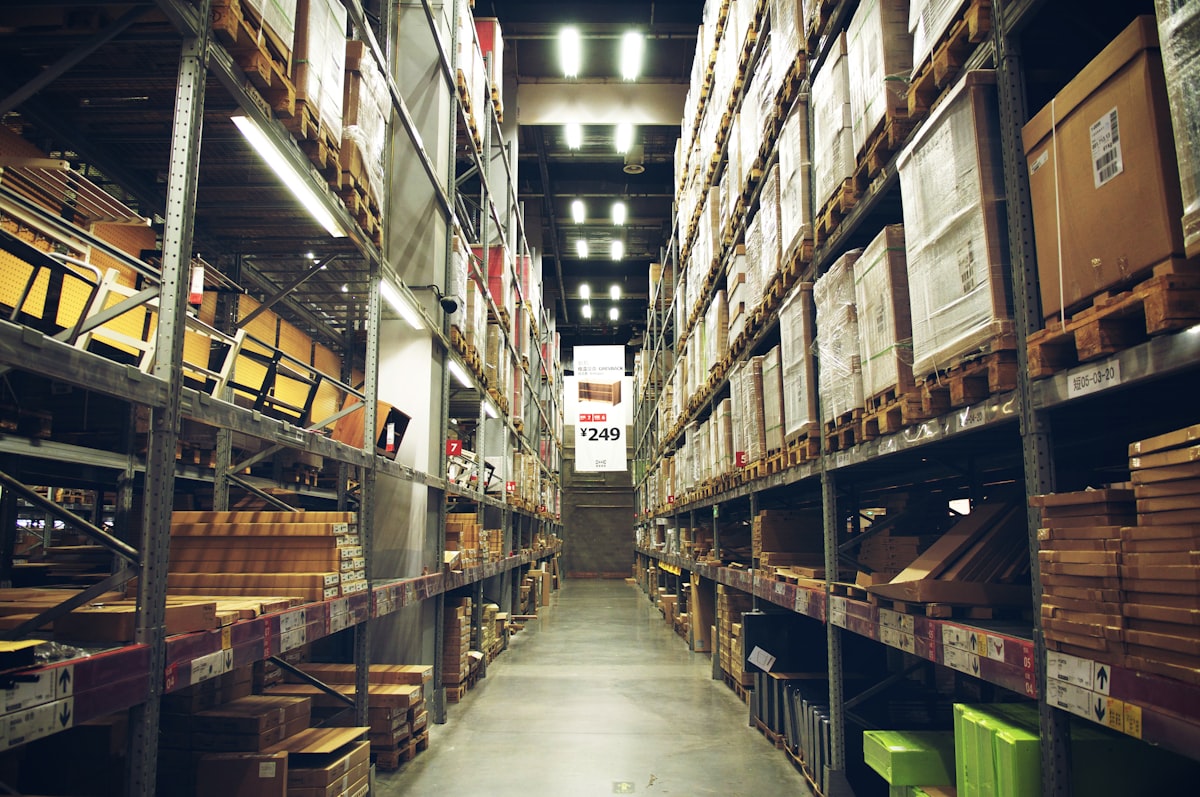
Wholesale warehouse aisle with pallets of boxes

Wholesale Liquidation vs. New Overstock: Which Is Right for Resale

Not every bulk sourcing deal is the same kind of “wholesale.” Liquidation and new overstock inventory are both sold in volume, but they carry different pricing, condition risk, and paperwork – and confusing the two is a common way resellers end up with inventory they didn’t expect. Here’s how to tell them apart before you commit to a load.

Liquidation: Mixed Condition, Auction-Style Pricing

Liquidation inventory – customer returns, overstock, and salvage sold off by retailers – typically moves at a fraction of MSRP through auction-style or negotiated pricing rather than a fixed price list. A single lot can mix new, open-box, and damaged items across different products and brands, so the actual condition varies case by case rather than being uniform across the load. That variability is the tradeoff for the lower price: it can work well for resellers testing a new category or comfortable sorting and grading inventory themselves, but it isn’t a fit if you need predictable, uniform stock.

Wholesale Overstock: Uniform, New, Fixed Pricing

Wholesale overstock and closeout inventory, by contrast, is new merchandise sold in bulk at fixed pricing – typically higher than liquidation because it passes through fewer unknowns and, often, a more direct supply chain. Product condition and packaging are consistent across the order, since it’s the same new item purchased in quantity rather than a mixed lot. This predictability is what makes wholesale the more common choice for resellers who need to list consistent, verifiable inventory – see our distributor verification checklist for how to confirm a wholesale source is legitimate before you buy.

Reading a Liquidation Manifest, If You Go That Route

If you do buy liquidation, the manifest is the closest thing you get to a guarantee – and it should be treated as underwriting data, not a promise. A trustworthy manifest lists SKU or UPC per line, quantity and case-pack size, a condition code for each item (new, open-box, customer-return, salvage), an estimated retail value, and product category. Treat these as red flags: manifest lines missing UPCs entirely, vague catch-all descriptions like “assorted items,” a single condition code applied to every line in the load, or a retail value that looks inflated next to what the item actually resells for. Experienced buyers sample a handful of listed SKUs against real marketplace prices before trusting the rest of the manifest.

Which One Fits Your Business Right Now

Liquidation suits a reseller who wants to test a new product category cheaply, has the time to sort and grade a mixed lot, or is comfortable with per-item uncertainty in exchange for a lower buy-in. New wholesale overstock suits a reseller who needs consistent, verifiable inventory they can list with confidence – particularly on marketplaces like Amazon where mixed-condition lots create more listing and return-rate risk. Our case pack vs. pallet guide covers the next decision once you’ve settled on new wholesale inventory: how that stock should actually arrive.

Protecting Yourself Either Way

Whichever route you choose, verify before you commit real money: for wholesale, confirm the supplier’s authenticity and get pricing and terms in writing; for liquidation, get the actual manifest (not a sample or “similar to” listing) and check it against the red flags above. Our wholesale scam red flags guide covers warning signs that apply to both sourcing paths – vague documentation and pressure to commit quickly chief among them.

✓ Verified Amazon Wholesale Supplier & Distributor

Wholesale Distributors US sells new, uniform wholesale inventory with verifiable sourcing – apply for a wholesale account if predictable stock is what your business needs.

FAQ

Is liquidation inventory the same as wholesale?

No. Wholesale is new inventory sold in bulk at fixed pricing. Liquidation is a mix of returns, overstock, and salvage sold at steep discounts through auction-style or negotiated pricing, with condition varying by item.

What should a liquidation manifest include?

SKU or UPC per line item, quantity and case-pack size, a condition code (new, open-box, return, salvage), estimated retail value, and product category. Vague descriptions or missing UPCs are red flags.

Is liquidation or new wholesale better for reselling on Amazon?

New wholesale overstock is generally the safer fit for Amazon resale because condition is consistent and verifiable. Liquidation can work for testing a category cheaply, but mixed condition raises listing accuracy and return-rate risk.

Related reading: How to Verify an Authentic Wholesale Distributor | Case Pack vs. Pallet Wholesale Buying | Wholesale Distributor Scams: Red Flags to Watch For | How to Avoid Dead Stock When Buying Wholesale in Bulk

Apply for a Wholesale Account

Warehouse worker scanning boxes for shipment

Wholesale Return Policies: What to Expect When You Order in Bulk

A bulk order that arrives short, damaged, or wrong is a lot more expensive to sort out than a single retail return — which is exactly why it pays to know a supplier’s return policy before you place the order, not after something goes wrong. Here’s what’s actually standard in wholesale returns, and what to confirm in writing up front.

Return Windows Vary by Supplier

Most distributors offer a return window somewhere in the 30, 60, or 90-day range from the purchase date, but there’s no universal standard — some suppliers cut it much shorter for bulk or clearance inventory. Confirm the exact window that applies to your order size before you buy, since a policy advertised generally on a website doesn’t always carry over to wholesale-quantity orders.

Restocking Fees Are Standard in B2B

Unlike retail, where restocking fees are inconsistent, they’re standard practice in business-to-business wholesale purchasing – buyers ordering in bulk should expect them, typically in the 15% to 25% range, spelled out in the purchase agreement. What matters is knowing when that fee should NOT apply: a legitimate supplier waives the restocking fee entirely when the return is their fault – a defective product, the wrong item shipped, or an order that didn’t match what was confirmed. If a supplier tries to charge a restocking fee on their own error, that’s a red flag worth pushing back on.

Defective vs. Non-Defective: Different Rules Apply

A policy worth trusting draws a clear line between the two. For a simple non-defective return (you over-ordered, or changed your mind), the restocking fee and standard window apply. For defective or damaged merchandise, there should be a separate, faster process: a clear timeline for reporting the issue after you receive the shipment, and no restocking fee at all. If a supplier’s policy doesn’t distinguish between the two, ask directly how defective claims are handled before you order.

The RMA Process: What to Expect

A properly run return starts with a Return Merchandise Authorization (RMA) request, not just shipping product back unannounced. Expect to provide documentation – your invoice or purchase order number – and receive a return authorization number to reference on the shipment. Confirm upfront whether the supplier provides a prepaid return label or expects you to cover return freight, and whether they’ll give you status updates while the return is processed. Our purchase order checklist and invoice guide cover the documentation you’ll want on hand if a return ever becomes necessary.

What to Confirm Before You Order

Get the return policy in writing rather than relying on a verbal assurance, and confirm: the exact return window for your order size, the restocking fee percentage and what triggers a waiver, whether bulk or pallet-quantity returns follow a different procedure than single-unit returns, and how long refunds or replacements typically take to process. A supplier who won’t put these details in writing, or who is vague about defective-item handling, is worth vetting further with our distributor verification checklist.

✓ Verified Amazon Wholesale Supplier & Distributor

Wholesale Distributors US puts return terms in writing on every order — apply for a wholesale account to source from a supplier that stands behind what it ships.

FAQ

Are restocking fees normal for wholesale orders?

Yes. Restocking fees are standard in B2B wholesale purchasing, typically 15% to 25%, and should be spelled out in the purchase agreement. They should never apply to defective items or a supplier’s own shipping error.

What’s the difference between a defective and non-defective wholesale return?

A non-defective return (over-ordering, change of mind) usually carries a restocking fee and follows the standard return window. A defective or damaged item should follow a faster, separate process with a clear reporting timeline and no restocking fee.

What is an RMA and why does it matter for a wholesale return?

An RMA (Return Merchandise Authorization) is the approval and reference number a supplier issues before you ship a return back. It documents the return, ties it to your invoice or PO number, and is standard practice for a properly run wholesale return process.

Related reading: Wholesale Purchase Orders: What to Include | How to Read a Wholesale Invoice | How to Verify an Authentic Wholesale Distributor

Apply for a Wholesale Account

Online store dashboard on a laptop screen

Wholesale Payment Methods: Which Is Safest for Bulk Orders

Once you’ve agreed on price and quantity, one decision still affects how safe your money is: how you actually pay. Each common payment method trades off speed, cost, and how much protection you have if something goes wrong — and that tradeoff matters most on a first order with a supplier you haven’t paid before.

ACH Transfer: The Default for Ongoing Suppliers

ACH is the workhorse for recurring wholesale payments — it costs pennies per transaction and typically settles in one to three business days. It also offers limited dispute rights if an error needs to be clawed back. The main risk isn’t the rail itself but stolen bank details or a spoofed “updated payment instructions” email; fraudsters only need your account and routing number, obtained through phishing or a compromised email thread, to redirect a transfer.

Wire Transfer: Fast, but Nearly Impossible to Reverse

Wires settle same-day and are common for larger bulk orders, but once sent they’re generally irrevocable. That makes a wire the riskiest option for a brand-new, unverified supplier — if the payment details were altered by a scammer somewhere in the email chain, there’s usually no getting the money back. Save wires for suppliers you’ve already verified and paid before.

Credit Card: The Strongest Buyer Protection for a First Order

If a supplier accepts credit card payment, it’s typically the safest way to fund a first or test order, since chargeback rights give you a path to recover funds if goods never arrive or are misrepresented. Not every wholesale supplier accepts cards for bulk orders, and some pass along a processing surcharge, but that protection can be worth the extra cost while you’re still establishing trust with a new source.

Checks: Slower, With a Paper Trail but No Real-Time Protection

Checks are less common now but still used by some suppliers. They create a clear paper trail and a natural delay before funds actually move, but once a check clears, there’s no dispute mechanism the way there is with a card. Their main value is the documentation, not fraud protection.

Protecting Any Payment Method

Whichever method you use, the same habits protect you: match the payment amount against the purchase order and invoice before releasing funds (see our purchase order checklist), and if a supplier suddenly emails new bank details or a change in payment instructions, call to confirm using a phone number you already have on file — not one from the email itself. This single habit stops most wholesale payment fraud before it happens, and it pairs with our distributor verification checklist and scam red flags guide for vetting a supplier before the first payment ever goes out.

✓ Verified Amazon Wholesale Supplier & Distributor

Wholesale Distributors US offers clear, verifiable payment terms on every order — apply for a wholesale account to source with a supplier you can confirm every step of the way.

FAQ

What’s the safest way to pay a wholesale supplier for the first time?

Credit card, when accepted, generally offers the strongest protection through chargeback rights. If a card isn’t an option, ACH is reasonably safe for a verified supplier, while wire transfers should be reserved for suppliers you’ve already confirmed and paid before.

Are ACH payments reversible if something goes wrong?

ACH offers some dispute rights and errors can sometimes be reversed within a limited window, but it isn’t guaranteed. The bigger risk is usually stolen bank details or a spoofed payment-change request rather than the ACH system itself.

What should I do if a supplier suddenly changes their payment or bank details?

Stop and confirm by phone using a number you already have on file, not one included in the email. Sudden payment-detail changes are one of the most common wholesale payment scams.

Related reading: Wholesale Purchase Orders: What to Include | How to Verify an Authentic Wholesale Distributor | Wholesale Distributor Scams: Red Flags to Watch For

Apply for a Wholesale Account

Cardboard boxes stacked for bulk wholesale shipping

Case Pack vs. Pallet: Which Wholesale Buying Format Is Right for You

When you’re ready to buy wholesale in real volume, one of the first decisions is how the inventory should actually arrive — by the case, or by the pallet. Both are legitimate ways to buy in bulk, but they suit different sellers, warehouses, and sales volumes. Getting this wrong means either paying more per unit than you need to, or taking on storage and handling you’re not set up for.

What a Case Pack Is

A case pack is a manufacturer’s carton holding a fixed quantity of one product — typically 12 to 48 units per box, boxed for handling and protection. Each unit inside is the same SKU, condition, and packaging, intended for individual resale. Case packs can be handled by hand, shipped through standard parcel carriers, and stored on ordinary shelving, which makes them the more flexible option for sellers running a multi-SKU catalog.

What a Single-SKU Pallet Is

A pallet stacks hundreds of identical units of one product, stretch-wrapped together for bulk freight transport. Pallets minimize packaging overhead and take advantage of bulk freight rates, which meaningfully lowers the per-unit cost once volume is high enough — one pallet can replace roughly 40 individual case-pack slots in storage. The tradeoff is that pallets require a forklift or pallet jack to move, and dock access, racking, or real floor space to store.

Which One Actually Costs Less

The math shifts with volume. Case packs carry higher per-unit packaging costs but avoid committing to more inventory than you can move. Pallets minimize packaging and freight cost per unit, but only pay off once you’re confident you can sell through that quantity of a single product in a reasonable timeframe. As a rule of thumb, once a single product’s parcel shipping costs would exceed the cost of one LTL (less-than-truckload) pallet shipment, the pallet becomes the cheaper option. Our bulk purchasing unit cost breakdown and MOQ guide cover how to run that comparison for a specific product.

Storage and Receiving: Be Honest About Your Setup

Choose case packs if you’re running a varied, multi-SKU catalog, shipping anything fragile, relying on standard parcel carriers, or don’t have warehouse equipment. Choose pallets only once you have dock access, receiving infrastructure, and the floor space to store a full pallet safely — damage on a pallet is concentrated across hundreds of units at once, versus a smaller loss on a single carton. If you’re just starting to buy wholesale in bulk, our startup costs guide covers what a realistic first order actually requires.

What This Means for Amazon FBA Sellers

For FBA specifically, single-SKU case packs get scanned and stored by Amazon’s systems without being opened, which processes noticeably faster and carries less rejection risk than mixed shipments that need manual counting and labeling. Full pallet replenishments of one product follow the same logic at larger scale, provided the pallet meets Amazon’s shipment specs. Either way, matching your purchase format to your actual sales velocity — not just chasing the lowest sticker price — is what keeps a bulk order profitable.

✓ Verified Amazon Wholesale Supplier & Distributor

Wholesale Distributors US offers both case pack and full pallet quantities on our catalog — apply for a wholesale account to order in the format that fits your business.

FAQ

What’s the difference between a case pack and a pallet in wholesale buying?

A case pack is a carton of 12-48 units of one product, while a pallet stacks hundreds of identical units together for bulk freight. Case packs are more flexible for smaller or varied orders; pallets lower the per-unit cost at higher volume.

Is buying a pallet always cheaper per unit than a case pack?

Only once volume is high enough. Case packs have higher per-unit packaging costs but let you avoid overcommitting to one product. Pallets minimize packaging and freight cost per unit, but only pay off if you can move that much inventory.

Do I need special equipment to receive a wholesale pallet?

Yes, generally a forklift or pallet jack along with dock access and enough floor space to store it safely. If you don’t have that infrastructure yet, case packs are the more practical starting point.

Related reading: Bulk Purchasing Unit Cost Guide | Wholesale Minimum Order Quantity (MOQ) Guide | Wholesale Purchasing Startup Costs | Wholesale Liquidation vs. New Overstock | How to Avoid Dead Stock When Buying Wholesale in Bulk
Apply for a Wholesale Account

Supply chain logistics warehouse operations

Wholesale Purchase Orders: What to Include Before You Place a Bulk Order

A wholesale purchase order is the document that actually locks in your bulk order — quantities, pricing, delivery date, and terms — before any money changes hands. Skipping details here, or accepting a supplier’s own vague version, is how buyers end up with the wrong quantity, a surprise shipping charge, or no paper trail when something arrives wrong. Here’s what a complete PO should cover and what to check before you sign one.

Purchase Order vs. Invoice: Know the Difference

A purchase order is what you send (or agree to) before the order ships — it’s your request and the agreed terms. An invoice is what the supplier sends after, billing you for what was actually shipped. The two should match on quantity, pricing, and item description; if they don’t, that mismatch is your first red flag. See our guide to reading a wholesale invoice for what the after-the-fact document should look like.

The Core Fields Every PO Needs

A complete wholesale purchase order should include: full buyer and vendor information (legal name, address, phone, and email for both sides); a unique PO number and issue date, plus the expected delivery date; a clear item description with SKU or part number, unit of measure, and quantity for each line; pricing details including unit price, line totals, tax, shipping cost, and grand total, along with payment terms such as net 30; and shipping details covering the ship-to address, delivery method, and any special handling instructions. Authorized signature lines on both sides formalize the agreement and give you a documented record if a dispute comes up later.

Due Diligence Before You Sign

Beyond the paperwork fields, a few checks protect you from a bad bulk order before you commit to it. If the inventory is graded (new, shelf-pull, or defective), get the specific condition breakdown in writing rather than an average “mostly new” claim. Ask for actual timestamped photos of the inventory rather than stock images, confirm the payment structure and timing up front (prepayment, partial deposit, or on delivery), and verify physical specifics like pallet count, dimensions, and weight against your own receiving capability before the order ships. Our distributor verification checklist and MOQ guide cover the broader vetting process this fits into.

Getting the Math Right Before You Order

A purchase order locks in a price, but it’s worth confirming that price actually pencils out before you sign. Factor in the full landed cost — not just the unit price, but freight, prep fees, and any import duties that apply — using our landed cost guide and per-unit cost breakdown. A common mistake is chasing the biggest percentage discount rather than the actual profit margin per unit once all of those costs are included — a smaller discount on a faster-moving item can outperform a deep discount on something that sits.

Keep a Signed Copy Before You Pay

Once both sides agree to the terms, keep a signed or confirmed copy of the PO on file before releasing payment — it’s your reference point if the shipment arrives short, late, or priced differently than agreed. If what shows up doesn’t match what was ordered, the PO and the resulting invoice are the first two documents to compare, and a supplier who won’t reconcile a clear discrepancy is a warning sign worth taking seriously.

✓ Verified Amazon Wholesale Supplier & Distributor

Wholesale Distributors US provides clear, itemized purchase terms and documentation on every order — apply for a wholesale account to source with a paper trail you can rely on.

FAQ

What should a wholesale purchase order include?

Buyer and vendor information, a unique PO number and date, itemized descriptions with SKU and quantity, pricing and payment terms, shipping and delivery details, and signature lines for both parties.

Is a purchase order the same as an invoice?

No. A purchase order is the request and agreed terms sent before an order ships; an invoice is the bill the supplier sends afterward for what was actually shipped. The two should match, and a mismatch is worth investigating.

What should I check before signing a bulk wholesale purchase order?

Confirm the condition breakdown if inventory is graded, ask for real photos rather than stock images, verify the payment timing, and check pallet count, dimensions, and weight against your receiving capability.

Related reading: How to Read a Wholesale Invoice | How to Verify an Authentic Wholesale Distributor | How to Calculate Landed Cost for Wholesale Purchasing | Wholesale Payment Methods: Which Is Safest for Bulk Orders | Wholesale Return Policies: What to Expect | Wholesale Distributor Agreements: Key Clauses | Wholesale Backorders and Partial Shipments: What to Know Before You Order

Apply for a Wholesale Account

Warehouse logistics team managing wholesale supply

Amazon FBA Tariffs 2026: Why Wholesale From a US Distributor Protects Your Margins

Tariff policy on Chinese-origin goods has been one of the more disruptive forces for Amazon FBA sellers in 2026. For anyone whose sourcing model depends on importing new inventory directly from overseas, the combination of elevated Section 301 tariffs and the end of the low-value “de minimis” exemption has turned what used to be a predictable per-unit cost into a moving target. Sellers who buy from an established US-based wholesale distributor are largely insulated from this volatility — here’s why, and what’s actually changed.

What Changed for Direct-Import Sellers

The de minimis exemption, which let low-value parcels enter the US duty-free, was eliminated for Chinese-origin goods in 2025 and has stayed eliminated through 2026 — there’s no splitting orders into small parcels to dodge duties anymore. On top of that, Section 301 tariffs on Chinese-origin consumer goods have remained elevated, with combined effective rates commonly cited in the 20-30% range depending on product category. Trade policy in this area has shifted more than once and includes provisions (like a reciprocal-tariff suspension window) set to be revisited later in 2026, so treat any specific figure as “current as of 2026” rather than permanent.

Why Wholesale From a US Distributor Sidesteps This

When you buy from a wholesale distributor whose inventory is already landed, duty-paid, and sitting in a US warehouse, there’s no per-shipment customs event tied to your order — no de minimis math, no surprise broker fees, and no waiting on a shipment stuck in customs. The cost structure is already baked into the wholesale price you’re quoted. For a fuller breakdown of what actually makes up a landed-cost figure when goods do cross a border, see our landed cost guide, and for a side-by-side on when buying from a distributor beats going straight to a manufacturer, see our distributor vs. manufacturer-direct comparison.

This Also Applies to the Brands We Carry

Brands like Cetaphil, CeraVe, Aveeno, Nature Made, Ziploc, Brita, Fairy, RYSE, and Hero Cosmetics are established, already-in-market US brands sold through normal domestic distribution channels — not private-label goods manufactured overseas and shipped in per order. Buyers sourcing these lines wholesale aren’t exposed to the same per-shipment tariff swings hitting sellers who import directly. That said, this reflects how these goods are currently distributed, not a guarantee about future trade policy or brand sourcing decisions.

What to Ask Any Wholesale Supplier About This

Before assuming a supplier is tariff-insulated, confirm a few things directly: that the goods are already US-based and in stock rather than drop-shipped from overseas per order, how their pricing is set (does it float with tariff news, or is it stable because it’s already landed), and get that in writing on the invoice or quote rather than taking it on faith. Our distributor verification checklist covers the broader version of this vetting process. For sellers weighing whether to keep importing directly at all given these costs, our private label vs. wholesale purchasing comparison lays out the fuller tradeoff.

✓ Verified Amazon Wholesale Supplier & Distributor

Wholesale Distributors US sells already-landed, duty-paid inventory from established US brands — apply for a wholesale account to source without per-shipment tariff exposure.

FAQ

Do tariffs affect wholesale purchases from US distributors?

Not directly. The distributor already paid any applicable duties when the goods entered the country, and the wholesale price you’re quoted already reflects that — there’s no additional per-shipment customs event tied to your order.

Has the Amazon de minimis exemption really ended?

Yes, as of 2026 the low-value de minimis exemption has been eliminated for Chinese-origin imports. Policy details and related tariff provisions have shifted more than once, so sellers should confirm current rules rather than treating any single figure as permanently fixed.

Is wholesale sourcing more tariff-proof than private label or direct import?

Generally yes for goods already sourced domestically through an established distributor, since there’s no new import event tied to each order. Always verify the specific sourcing arrangement with your supplier and product category rather than assuming.

Related reading: How to Calculate Landed Cost for Wholesale Purchasing | Authentic Distributor vs. Manufacturer Direct | Private Label vs. Wholesale Purchasing for Amazon FBA | How to Verify an Authentic Wholesale Distributor

Apply for a Wholesale Account

Logistics worker managing supply chain inventory

How to Spot Counterfeit Products When Buying Wholesale

Buying counterfeit inventory by mistake doesn’t just cost you the unit price — on Amazon it can trigger an inauthentic complaint, a suspended listing, or a permanently banned ASIN. Spotting a fake before you place a bulk order is far cheaper than fighting a counterfeit complaint after the fact. Here’s what to actually check.

Check Packaging and Labeling First

Counterfeiters copy the product but rarely nail every packaging detail. Compare a sample directly against official brand images for misaligned logos, incorrect fonts, missing batch numbers, or a missing manufacturing date. Legitimate packaging also carries visible expiration dates where applicable and proper certification marks — a label that looks slightly “off” compared to the brand’s own site is worth pausing on before you commit to a full order.

Verify Serial Numbers, QR Codes, or Batch Codes

Many brands now put a scannable code or scratch-off panel on packaging specifically to fight counterfeiting. When a product has one, scan it and confirm it redirects to the brand’s actual official domain rather than a similar-looking altered URL. A code that shows as already registered, or that works when scanned on more than one unit, is a strong sign the batch has been cloned rather than issued once per genuine item.

Price Is the Fastest Signal

Pricing well below what authorized retailers or verified distributors charge is one of the clearest warning signs, regardless of how convincing the packaging looks. Before you accept a quote that seems unusually low, check what the same product typically costs at wholesale from known sources — a price that’s dramatically under that range is rarely a genuine deal a supplier is passing on to you.

Inspect Build Quality and Materials

Authentic products tend to have consistent weight, smooth finishes, and solid construction. Counterfeits often feel noticeably lighter, use cheaper materials, or show inconsistent stitching, molding, or print quality up close. If you can, order a sample unit before committing to a bulk quantity — a legitimate supplier will generally accommodate this, and refusal to provide one is its own red flag covered in our wholesale distributor scams guide.

What to Do If You Suspect a Counterfeit

If a sample or an early shipment raises doubts, stop selling that inventory immediately and document everything — packaging photos, batch numbers, and the invoice tied to the order. Contact the supplier directly and gauge how they respond; an evasive or defensive reply tells you as much as the product itself. Sourcing from a distributor with a direct, traceable relationship to the manufacturer — not an unverified secondary source — remains the most reliable way to avoid this problem before it starts, which is exactly what to confirm before you order in our distributor verification guide.

✓ Verified Amazon Wholesale Supplier & Distributor

Wholesale Distributors US sources directly from authorized channels with traceable invoices on every order — apply for a wholesale account to source with confidence.

FAQ

How can I tell if a wholesale product is counterfeit?

Check the packaging against official brand images for misaligned logos, wrong fonts, or missing batch numbers; verify any QR code or serial number redirects to the brand’s real domain; and treat pricing well below the normal wholesale range as a warning sign.

Does a low price always mean a product is fake?

Not always, but pricing well below what authorized retailers or verified distributors normally charge is one of the most consistent signals of a counterfeit, and should prompt closer inspection before you order in bulk.

What should I do if I already received counterfeit inventory?

Stop selling it immediately, document the packaging, batch numbers, and invoice, and contact the supplier directly to see how they respond. An evasive reply is itself a warning sign for future orders.

Can a QR code on packaging be faked too?

Yes, in some cases. The safest check is confirming the code redirects to the brand’s actual official domain, not a similar-looking altered URL, and that it hasn’t already been registered or reused across multiple units.

Related reading: How to Verify an Authentic Wholesale Distributor | Wholesale Distributor Scams: Red Flags to Watch For | How to Read a Wholesale Invoice | Amazon Inauthentic Complaints for Wholesale Resellers | Do You Need Product Liability Insurance to Sell Wholesale on Amazon? | Do You Need a UPC or GTIN Exemption to Sell Wholesale Products on Amazon? | Buying Wholesale Toys and Games for Amazon Resale: CPSIA Compliance Guide

Apply for a Wholesale Account

Supply chain distribution center with boxes

How to Find Wholesale Distributors for Amazon FBA

Finding a wholesale distributor worth working with usually takes more than a single Google search. Most buyers land on the first page of paid directory ads, apply, and never realize better options existed. Here’s where legitimate distributors actually get found — before you get to the verification step.

Search Techniques That Actually Work

A plain search for “[product] wholesale” mostly surfaces directory ads. Two more targeted approaches tend to work better: searching “[brand name] wholesale” combined with filetype:pdf or filetype:xls often turns up an actual distributor price list or catalog that’s indexed but not heavily promoted. Reverse-engineering also works — check the packaging or product listing of an item you already know sells well for a distributor or importer name, then search for that company directly and ask about wholesale terms.

B2B Marketplaces and Directories

Established B2B platforms let you filter by category and compare multiple suppliers at once rather than vetting one at a time from search results. These are a starting point for finding candidates, not a substitute for the verification checklist below — a listing on a marketplace doesn’t automatically mean a supplier is an authorized distributor for the brand you’re sourcing.

Trade Shows and Industry Events

Industry trade shows put you in a room with manufacturers and distributors who are actively looking for reseller relationships, not just responding to cold inquiries. Meeting face to face makes it easier to negotiate terms, ask pointed questions about authorization and MOQ on the spot, and build the kind of relationship that pays off in better pricing later once you’ve placed a few orders.

Going Straight to the Brand

Many manufacturers list a wholesale or “become a retailer” page directly on their own website, or will point you to their authorized distributors if you ask. This is one of the more reliable paths to a genuine, authorized source, since you’re getting the information from the brand itself rather than a third party claiming a relationship they may not have.

Once You Have a List, Verify Before You Commit

Finding a candidate distributor is step one, not the finish line. Before sending payment or business documentation, check for a traceable business name and address, willingness to provide brand-authorization proof, and normal business payment methods — the same checklist covered in our guide to verifying an authentic wholesale distributor, and the red flags in our wholesale distributor scams guide. A supplier that’s easy to find isn’t automatically safe to buy from — it just means the search step is done.

✓ Verified Amazon Wholesale Supplier & Distributor

Wholesale Distributors US is a verified distributor with real itemized invoices and manageable order minimums — apply for a wholesale account to see current pricing and available brands.

FAQ

What’s the best way to find wholesale distributors?

A combination of targeted search techniques (like brand name plus filetype:pdf to find catalogs), B2B marketplaces, trade shows, and contacting manufacturers directly for their authorized distributor list tends to work better than a single generic search.

Are B2B marketplaces safe for finding wholesale suppliers?

They’re a reasonable starting point for finding candidates, but a listing on a marketplace doesn’t confirm a supplier is an authorized distributor. Always verify a supplier independently before committing to an order.

Should I contact the brand directly to find a distributor?

Yes, when possible. Many manufacturers list wholesale information on their own website or can point you to their authorized distributors, which is one of the more reliable ways to find a genuine source.

Do trade shows help with finding wholesale suppliers?

Yes. Trade shows put buyers in direct contact with manufacturers and distributors actively looking for reseller relationships, making it easier to ask about authorization and negotiate terms in person.

Related reading: How to Verify an Authentic Wholesale Distributor | Wholesale Distributor Scams: Red Flags to Watch For | How to Negotiate Wholesale Pricing | Amazon FBA Wholesale Business Model Guide | Single vs. Multiple Wholesale Suppliers | Reverse Sourcing: How to Find Wholesale Distributors Behind Winning Amazon Products

Apply for a Wholesale Account

Logistics worker managing supply chain inventory

How to Read a Wholesale Invoice: What Every Line Item Means

A wholesale invoice does more than record a purchase — for an Amazon reseller, it’s often the single document that determines whether an ungating request or an inauthentic complaint gets resolved in your favor. Knowing what should actually be on it, before you need to submit one, saves a scramble later.

Supplier Information

A valid invoice starts with the supplier’s full business details: legal business name, physical address, and contact information, ideally matching a verifiable, authorized distributor with an active business website. An invoice from a source with no traceable business presence is one of the same red flags covered in our guide to wholesale distributor scams — the invoice is only as credible as the business that issued it.

Buyer Information

Your name and address need to appear on the invoice exactly as they’re listed in your Seller Central account. A mismatch between the invoice address and your account details is a common, avoidable reason a submission gets questioned — double-check this before you place an order if you know you’ll need the invoice for verification later.

Itemized Product Details

Every product needs its own line: a clear description, the quantity purchased, the price per unit, and the total. Amazon generally expects a minimum quantity per product (commonly cited around 10 units) to treat the purchase as a genuine wholesale transaction rather than a one-off buy. This itemization is exactly what separates a real invoice from the retail receipts we cover in our invoice vs. receipt guide — a receipt typically can’t itemize at this level of detail.

Invoice Number and Date

A unique invoice number and a clear issue date matter for two reasons: they make the document traceable back to a specific transaction, and they establish how recent the purchase is. Amazon’s guidance on how old an invoice can be has varied, so check current Seller Central requirements rather than assuming a fixed cutoff — but as a general rule, a more recent invoice is always a safer submission than an older one.

What Makes an Invoice Invalid

A few issues come up repeatedly in rejected submissions: handwritten invoices instead of printed ones, illegible or heavily compressed scans, redacting anything beyond pricing (quantities, dates, and business identities should stay visible), and submitting an order confirmation or quote instead of an actual invoice. Any of these can get a genuine purchase rejected on a technicality — which is exactly why we cover the full qualifying-invoice checklist separately in more depth.

✓ Verified Amazon Wholesale Supplier & Distributor

Wholesale Distributors US provides clean, itemized invoices built to hold up for Amazon ungating and verification — apply for a wholesale account to start sourcing with documentation you can rely on.

FAQ

What information must be on a wholesale invoice for Amazon?

Supplier business name/address/contact, buyer information matching your Seller Central account exactly, an itemized list of products with quantities and prices, and a unique invoice number with a clear issue date.

How many units do I need on an invoice for Amazon ungating?

Amazon commonly expects a minimum of around 10 units per product to treat the purchase as genuine wholesale rather than a one-off buy, though exact thresholds can vary – check current Seller Central guidance for your category.

Can I redact pricing on a wholesale invoice before submitting it?

Pricing is generally the only field that can be redacted. Quantities, dates, and business identity information should stay visible, since redacting those raises questions about the invoice’s authenticity.

Why would Amazon reject a real wholesale invoice?

Common reasons include submitting a handwritten invoice, an illegible or compressed scan, an order confirmation or quote instead of an actual invoice, or a buyer address that doesn’t match the Seller Central account exactly.

Related reading: Invoice vs. Receipt for Amazon Ungating | Amazon Inauthentic Complaints for Wholesale Resellers | How to Verify an Authentic Wholesale Distributor | Wholesale Distributor Scams: Red Flags to Watch For | How to Spot Counterfeit Products When Buying Wholesale | Wholesale Purchase Orders: What to Include Before You Place a Bulk Order | Wholesale Return Policies: What to Expect | Amazon’s FBA Reimbursement Policy: What Changed in 2026

Apply for a Wholesale Account

Supply chain logistics warehouse operations

How to Negotiate Wholesale Pricing Without Burning the Relationship

Wholesale pricing isn’t always fixed. Distributors routinely have room to move on price, terms, or freight for buyers who ask the right way at the right time — but asking the wrong way, or too early, can do more harm than good. Here’s what actually moves the needle.

Build a Track Record First

Asking for a discount on your very first order puts a distributor in the position of betting on an unproven buyer, and it rarely works. A pattern of consistent ordering and on-time payment gives you something real to negotiate with — the same payment behavior that earns better payment terms over time also earns more room on price. Establish that pattern before you ask for anything beyond the standard quote.

Ask About Terms, Not Just Price

Per-unit price is often the least flexible number on a distributor’s quote. Payment terms (net 15 or net 30 instead of prepayment), freight arrangements, and minimum order quantity tend to have more room to move, and any one of them can be worth more to your cash flow than a small per-unit discount. Be specific about which of these you’re asking for — a vague request for “a better deal” is easy to ignore, while a specific ask for net-30 terms or a lower MOQ at your current order size is something a distributor can actually evaluate.

Bring Real Leverage

The strongest negotiating position is evidence, not pressure. A larger order can unlock better per-unit pricing through the same volume mechanics that make bulk purchasing cheaper in the first place — but committing to more volume than you can actually sell through just to chase a discount usually costs more than it saves. Your actual order history, payment record, and growth trajectory are what make a distributor willing to invest in the relationship; bring those to the conversation rather than just asking.

Time Your Ask

Distributors generally have more pricing flexibility during slower periods, when moving inventory matters more to them than holding firm on price. A request made during a distributor’s off-peak season, or timed to a larger-than-usual order you were already planning to place, tends to land better than the same ask made at random.

What Not to Do

A few approaches reliably backfire. Threatening to walk away unless you get a discount damages the relationship if you don’t actually follow through, and signals you see it as purely transactional. Asking for pricing below a brand’s MAP (minimum advertised price) policy, where one exists, generally isn’t negotiable regardless of your order volume — that’s a brand-level rule, not a distributor decision. And treating every conversation as a price negotiation rather than a relationship you’re building over time tends to get diminishing returns the more often you do it.

✓ Verified Amazon Wholesale Supplier & Distributor

Wholesale Distributors US works with resellers as their order volume and history grow — apply for a wholesale account to start building that track record.

FAQ

Should I ask for a discount on my first wholesale order?

Generally no. Distributors are more willing to negotiate once you’ve established a track record of consistent ordering and on-time payment. Asking before that track record exists puts the distributor in the position of betting on an unproven buyer.

What should I negotiate besides unit price?

Payment terms, freight arrangements, and minimum order quantity often have more flexibility than per-unit price. A specific ask for one of these can be worth more to your cash flow than a small price discount.

Can I negotiate below a brand’s MAP pricing?

Usually not. Minimum advertised price policies are typically set at the brand level, not by the individual distributor, and generally aren’t negotiable regardless of order volume.

Does ordering more get me a better wholesale price?

Often yes, since larger orders can unlock volume-based pricing through the same mechanics that make bulk purchasing cheaper per unit. But committing to more inventory than you can realistically sell through just to reach a price break usually costs more than it saves.

Related reading: Wholesale Purchasing Payment Terms | Minimum Order Quantity (MOQ) in Wholesale Purchasing | Bulk Purchasing: Lower Your Unit Cost | How to Verify an Authentic Wholesale Distributor | How to Find Wholesale Distributors for Amazon FBA | Wholesale Distributor Agreements: Key Clauses | Wholesale Markup vs. Margin: How to Price for Resale Profit

Apply for a Wholesale Account