What Is Amazon FBA Wholesale? The Complete 2026 Business Model Guide

Amazon FBA wholesale means buying established, recognizable brand products in bulk directly from a manufacturer or authorized distributor, then reselling individual units on Amazon — usually onto an existing product listing rather than creating a new one. It’s one of the more approachable ways to start selling on Amazon, and it’s the model this business is built around.

How the Wholesale Model Actually Works

The mechanics are straightforward compared to other Amazon business models:

  1. You buy case-quantity inventory of a real, already-selling brand product from a wholesale distributor in the USA, at a price below retail.
  2. You get approved to sell that brand or category on Amazon where required (see our ungating guide by category).
  3. You list your inventory on the existing Amazon listing for that product — you’re not creating a new ASIN, you’re adding your offer to one that already has sales history, reviews, and search ranking.
  4. You fulfill orders via FBA (or FBM), and compete with any other sellers on that same listing for a share of the Buy Box.

That last point is the core difference from private label: you don’t own the listing, and you’re not the only seller on it.

Typical Startup Costs and Margins

Industry surveys of Amazon wholesale sellers commonly cite an initial investment in the roughly $2,500–$2,700 range to get a first order moving — covering business setup, seller account costs, and first inventory purchase — though the real number for any individual seller depends heavily on product category and order size. Profit margins for wholesale are typically cited in the 10–25% range per unit after fees, tighter than private label because you’re competing on price against other sellers of the identical product rather than setting your own. We break this down in more detail, including a more realistic two-stage view of testing versus sustainable capital, in how much capital you actually need to start.

Wholesale vs. Other Amazon Business Models

  • Private label: You manufacture and brand your own product, own the listing outright, and don’t share the Buy Box — higher potential margin and control, but far more upfront work and risk building a brand from zero.
  • Dropshipping: No inventory held at all; the supplier ships directly to the customer. We cover why this is a materially different (and often non-compliant) model for Amazon specifically in wholesale vs. dropshipping for Amazon FBA.
  • Retail arbitrage: Buying individual discounted items from retail stores to resell — low barrier to entry, but not scalable to case-quantity volume the way wholesale sourcing is.

The Real Challenges

Wholesale isn’t without friction, and being upfront about it matters more than pretending it’s easy:

Here is how wholesale stacks up against the other common Amazon FBA approaches at a glance:

Business ModelInventory HeldTypical Startup CostMargin PotentialMain Risk
WholesaleYes, case-quantity, already-selling brandsIndustry surveys commonly cite around $2,500-$2,700 to startModerate and consistent once sourcing is reliableThin or wiped-out margins if sourcing isn’t verified and compliant
Private LabelYes, your own branded unitsTypically higher – tooling, branding, and testing add upHigher long-term, with full control over the listingBuilding demand and reviews from zero, with no existing sales history
DropshippingNo inventory held at allLow upfrontThin and volatileOften non-compliant with Amazon’s seller-of-record requirements
Retail ArbitrageYes, but sourced unit-by-unit from retail storesLow upfront, scales slowlyInconsistent, depends on deals foundHard to source consistently at scale; higher authenticity-audit exposure

Why Sourcing From a Verified Wholesale Distributor Matters

Nearly every challenge above comes back to the same thing: having a real, compliant invoice from an authorized distributor. It’s what gets you ungated in a restricted category, it’s what protects you if an authenticity complaint lands, and it’s the difference between a sustainable wholesale business and one built on sourcing that can’t be verified.

Is Amazon FBA Wholesale Right for You?

Wholesale tends to fit sellers who want a faster, lower-risk path to a first sale than private label requires, are comfortable competing on execution (pricing, inventory depth, account health) rather than owning a unique product, and can commit to sourcing only from verifiable, authorized suppliers rather than chasing the cheapest possible unit cost.

How to Start an Amazon FBA Wholesale Business in 8 Steps

  1. Set up your business. Register a business entity, get an EIN and open a business bank account so suppliers and Amazon see consistent business details.
  2. Get your resale certificate. Most US wholesalers ask for a sales tax or resale certificate before they sell to you. See do you need a resale certificate.
  3. Open an Amazon Professional seller account. A Professional selling plan is needed to apply to sell in restricted brands and categories, which is where many wholesale products are.
  4. Research products before you contact suppliers. Check sales rank history, price stability, number of sellers and whether Amazon itself sells the item.
  5. Calculate your real profit. Include product cost, shipping, prep and Amazon fees. Use our landed cost guide and check how much capital you need to start.
  6. Find and verify suppliers. Learn how to find wholesale suppliers for Amazon FBA, the difference between distributors and wholesalers, and how to verify a distributor.
  7. Get approved for gated brands. Buy from a legitimate wholesale business and apply with an itemized invoice. See our Amazon ungating invoices page and invoice requirements checklist.
  8. Place your first order and ship to FBA. Start small, confirm case packs and labeling, then reorder what sells. Use our purchase order checklist and case pack vs. pallet guide.

Want to see what you could source today? Browse our wholesale product list.

FAQ

What is Amazon FBA wholesale?

Buying established brand products in bulk from a manufacturer or authorized distributor, then reselling them on Amazon’s existing listing for that product, typically fulfilled through FBA.

How much does it cost to start an Amazon wholesale business?

Industry surveys commonly cite a starting range around $2,500–$2,700, though the real figure depends heavily on your product category and order size.

What profit margin can I expect from Amazon wholesale?

Commonly cited in the 10–25% range per unit after fees — tighter than private label, since you’re typically competing on price with other sellers of the same product.

Is wholesale better than private label for Amazon?

Neither is universally “better” — wholesale offers a faster, lower-risk start since you’re selling already-proven products, while private label offers higher long-term margin and control but requires building a brand from scratch.

Do I need a business license to start Amazon FBA wholesale?

Yes – most wholesale distributors require a registered business (an LLC or sole proprietorship) and a resale certificate before opening a wholesale account. See our resale certificate guide for what’s typically required state by state.

How long does it take for a wholesale FBA account to become profitable?

There’s no fixed timeline – it depends on your category, starting capital, and how quickly you can source compliant inventory and get ungated where needed. Treat any specific timeframe you see online as a rough estimate, not a guarantee.

What documents do I need from a distributor to get ungated in a restricted category?

Amazon typically wants a real, itemized invoice from an authorized distributor showing your business name, the supplier’s contact details, and at least 10 units of the product purchased in the last 365 days. Our invoice requirements checklist breaks down the specifics Amazon actually looks for.

Is wholesale or retail arbitrage a better starting point for a new Amazon seller?

Wholesale generally sources more consistently and at better unit economics once you have a reliable distributor relationship, while retail arbitrage has a lower barrier to entry but is harder to scale and keep supplied. Our retail arbitrage vs. wholesale comparison walks through the trade-offs in more detail.

Related reading: How to Vet an Amazon FBA Wholesale Supplier | Invoice vs. Receipt for Amazon Ungating | Can You Sell These Brands on Amazon FBA? | How to Verify an Authentic Wholesale Distributor | Bulk Purchasing for Amazon FBA: Lower Your Unit Cost | Wholesale Purchasing Mistakes New Resellers Make | Do You Need a Resale Certificate to Buy Wholesale? | Private Label vs. Wholesale Purchasing | Retail Arbitrage vs. Wholesale Purchasing | How to Find Wholesale Distributors for Amazon FBA | Reverse Sourcing: How to Find Wholesale Distributors Behind Winning Amazon Products | Buying Wholesale Electronics for Amazon Resale | Buying Wholesale Toys and Games for Amazon Resale | Can You Use Alibaba to Get Ungated on Amazon?
Apply for a Wholesale Account

SuppliersCentral.com: A Free B2B Wholesale Directory Worth Knowing (2026)

As an Amazon FBA wholesale distributor, we regularly get asked by buyers how to find and vet legitimate wholesale suppliers online. One resource worth knowing about is SuppliersCentral.com, a B2B wholesale supplier directory.

What Is SuppliersCentral.com?

SuppliersCentral is a modern B2B directory built specifically for wholesale buyers and suppliers to connect – it is not a consumer marketplace. Suppliers can create a free storefront listing with their categories, contact details, and business information, and buyers can search by category to find suppliers in a specific niche.

Why It’s Useful for Amazon FBA Sellers

For Amazon FBA sellers who need a real, verifiable wholesale supplier for brand or category ungating, directories like this are a useful starting point because listed suppliers provide actual business details rather than an anonymous storefront. It’s still on the buyer to verify invoices and business legitimacy directly with the supplier, but it’s a reasonable place to begin sourcing.

Our Listing

Wholesale Distributors US is listed on SuppliersCentral.com under the Amazon FBA Suppliers category. You can find our current contact information and the brands we carry there, or apply directly through our own site below.

Apply for a Wholesale Account

How Much Capital Do You Need to Start Amazon FBA Wholesale in 2026?

Search “how much money do I need to start Amazon FBA wholesale” and you’ll find guides that contradict themselves in the same article – one section says $2,000 is a good starting budget, a few paragraphs later the same post says you really need $7,000-$15,000 to be competitive. That’s not helpful. Here’s an honest breakdown of where the real range comes from and what the money actually goes toward.

The Real Range, and Why It’s a Range

Most credible sources converge on two different numbers because they’re answering two different questions:

  • $2,000-$3,000 – a realistic minimum to place a first order, buy enough units of one or two products to genuinely test a category, and cover Amazon’s fees while you learn. This is a testing budget, not a scaling budget.
  • $5,000-$10,000+ – what it typically takes to build a sustainable, reorder-ready operation across multiple SKUs, with capital left over for reordering while you wait on Amazon’s payout cycle.

Both numbers are correct – they just describe different stages. The mistake is treating a scaling-stage number as the minimum required to start, or a testing-stage number as enough to run a real business on.

What the Money Actually Goes Toward

Where the Money GoesWhat to Expect
InventoryBy far the largest expense – scales with how many SKUs and units you commit to
Amazon Professional Selling Plan$39.99/month, required for wholesale (the Individual plan doesn’t support the volume or category access wholesale needs)
Getting inventory to AmazonShipping/prep to FBA typically runs $200-$500 for a first order, more as volume grows
Software/research toolsOptional, roughly $50-100/month if you use one – plenty of sellers start without
Business registrationOptional at first but worth budgeting for – LLC formation is commonly $250 or less, an EIN is free
Reserve capitalThe part beginners skip – Amazon pays on roughly a two-week cycle, so spending every dollar on your first order can leave you out of stock and cash while waiting on payout

Why Sourcing Matters As Much As the Budget

Capital only helps if it’s spent on inventory Amazon will actually let you sell. A common beginner mistake is sourcing from retail stores (Walmart, Costco, Sam’s Club) and trying to use the store receipt for brand or category approval – Amazon’s own seller community is blunt about this: a receipt from a retail seller isn’t accepted, because Amazon requires an invoice from an authorized wholesale distributor, not proof that you personally bought something at retail. That distinction matters just as much as how much money you have – see our Buyer’s Checklist for vetting a wholesale supplier and Wholesale vs. Dropshipping compliance guide for what Amazon actually requires from your paperwork.

As a verified Amazon wholesale supplier offering ungating support with real distributor invoices (not retail receipts), we work with sellers at both budget stages – whether you’re testing your first category or reordering across multiple brands. See the brands we carry or apply below to get started.

Need working capital for a larger order? See how wholesale resellers can use Amazon Lending to finance bulk inventory.

Frequently Asked Questions

Can I start Amazon FBA wholesale with just a few hundred dollars?

Technically you can place a very small first order, but most guides converge on $2,000-$3,000 as a realistic minimum to buy enough inventory to genuinely test a category and absorb Amazon’s fees. Less than that limits you to a handful of units, which makes it hard to judge whether a product actually sells.

What’s the single biggest expense when starting?

Inventory, by a wide margin. Everything else combined – the $39.99/month Professional Selling Plan, optional software, LLC formation – typically adds up to a few hundred dollars.

Why do some guides say $2,000 is enough while others say $10,000+ is required?

They’re usually answering different questions – enough to test a category versus enough to run a sustainable, reorder-ready business. Both figures can be true at once; treat them as two stages, not contradictory advice.

Does buying from a wholesale distributor cost more upfront than retail arbitrage?

Often yes per unit, but retail receipts from stores like Walmart or Costco aren’t accepted for Amazon’s brand/category approval process – Amazon requires an invoice from an authorized wholesale distributor. Budgeting for legitimate wholesale sourcing from the start avoids rejected applications and wasted capital.

How fast can I reinvest my starting capital?

Amazon typically pays sellers on roughly a two-week cycle, so it’s worth reserving some capital for reordering rather than spending your entire budget on the first order.

Is the $39.99 Amazon Professional Selling Plan a one-time fee?

No – it’s a recurring monthly fee, and it’s required for wholesale selling since the free Individual plan doesn’t support the volume or category access wholesale needs.

How much should I budget for shipping inventory to Amazon FBA on my first order?

Typically $200-$500 for a first order, though this grows as your order volume increases. Factor this in alongside the inventory cost itself, not as an afterthought.

Can I skip forming an LLC when I’m just starting out?

Many sellers start as a sole proprietor, but check your state’s requirements and whether your wholesale supplier requires a resale certificate tied to a registered business – that can effectively require registration earlier than you’d expect.

Related reading: How to Vet an Amazon FBA Wholesale Supplier | Amazon Ungating Guide by Category | Amazon 2026 Holiday Peak FBA Fees: What Wholesale Sellers Should Budget For | Amazon IPI Score & FBA Capacity Limits 2026 Guide | What Is Amazon FBA Wholesale? The Complete 2026 Business Model Guide | Bulk Purchasing for Amazon FBA: Lower Your Unit Cost | Wholesale Purchasing Mistakes New Resellers Make | Wholesale Purchasing Payment Terms: What to Expect | Minimum Order Quantity (MOQ) in Wholesale Purchasing | Freight & Shipping Costs in Wholesale Purchasing | Authentic Distributor vs. Manufacturer Direct | How to Calculate Landed Cost for Wholesale Purchasing | Private Label vs. Wholesale Purchasing | Retail Arbitrage vs. Wholesale Purchasing | Case Pack vs. Pallet: Which Wholesale Buying Format Is Right for You | Do You Need Product Liability Insurance to Sell Wholesale on Amazon? | The INFORM Consumers Act: High-Volume Seller Guide | 1099-K Reporting Threshold for 2026: What Wholesale Resellers Need to Know | Walmart Marketplace’s 2026 New-Seller Savings: Up to $75K for Wholesale Sellers | Amazon’s DD+7 Payout Delay: Protecting Your Restock Cash Flow | FedEx 2027 Rate Increase

Apply for Wholesale to See Pricing

Amazon Hazmat & Dangerous Goods Approval: What Wholesale Sellers Need to Know (2026 Guide)

Getting a brand or category unlocked on Amazon is only half the battle for some products. If what you’re sourcing falls under batteries, aerosols, chemicals, or strong magnets, there’s a second, separate approval layer called dangerous goods (hazmat) review – and it trips up wholesale sellers more often than almost any other compliance step.

What Actually Counts as Hazmat

Amazon’s hazmat net is wider than most sellers expect. Four triggers cover most cases:

  • Batteries – lithium-ion, lithium-metal, lead-acid cells, and any battery-powered product
  • Pressurized containers – aerosols with any propellant
  • Chemicals – flammable liquids, corrosives, oxidizers, and toxic substances
  • Magnets – strong rare-earth magnets that can interfere with equipment

Products that surprise a lot of new sellers: perfumes, hand sanitizer, nail polish, cordless power tools, power banks, pool chemicals, drain cleaners, and spray paint all fall under one of these triggers.

The Two Documents Amazon Will Accept

Amazon’s Dangerous Goods team accepts exactly two document types, and they are not interchangeable:

  • Safety Data Sheet (SDS) – required whenever a product contains hazardous chemicals or pressurized contents. It needs to follow the full 16-section GHS format, be dated within the last five years, include complete Section 14 transport information, and be in English.
  • Exemption Sheet – Amazon provides two separate templates: one for battery-only products, one for products with no harmful chemicals at all. Submitting the wrong template is one of the most common rejection reasons.

How the Approval Process Works

Sellers apply (or get flagged) through the Manage Dangerous Goods Classification tool inside Seller Central. Once a listing is flagged, you generally have 14 business days to submit compliant documentation before the listing risks being blocked from FBA. From there, reports on actual timelines vary quite a bit: once a complete, correctly-matched submission is in the queue, review itself is often reported in the 2-5 business day range – but getting a slot in that queue, especially during high-volume periods, has been reported anywhere from a couple of weeks to several months. Treat any specific number you see online as a rough guide, not a guarantee, and apply as early as possible rather than waiting until inventory is already at the door.

Selling hazmat inventory into FBA without approval carries real cost: shipments get blocked at receiving, existing inventory can be disposed of at the seller’s expense, and listings become unsellable through FBA until the classification clears.

Why Wholesale Sellers Get Stuck Here Specifically

Hazmat clearance is a manufacturer-documentation problem, not a reseller-documentation problem – the SDS has to come from whoever actually formulated the product, and plenty of suppliers (especially smaller or overseas ones) simply don’t have a compliant one on hand. That’s a separate issue from the invoice-based verification Amazon uses for general category and brand ungating, where the requirement is a legitimate, dated invoice from an authorized distributor rather than a manufacturer safety document. If you’re sourcing a hazmat-flagged product, it’s worth confirming with your supplier upfront whether a current, correctly-formatted SDS actually exists before you commit to inventory – chasing one down after the fact is where most of the delay happens.

Common Rejection Reasons

  • Product name or hazard details on the SDS don’t exactly match the listing
  • Battery Exemption Sheet submitted for a product that also contains chemicals (or vice versa)
  • SDS older than five years, or missing Section 14 transport information
  • Incomplete battery specs on the exemption sheet (watt-hours, voltage, lithium content, type/size, quantity)
Is hazmat approval the same as category or brand ungating?

No – they’re separate systems. Category/brand gating checks your business credentials and sourcing (usually via invoices from an authorized distributor). Hazmat/dangerous goods classification checks the physical product itself for safety documentation, regardless of which category it’s listed in.

Can I get an SDS myself if my supplier doesn’t have one?

Generally no for chemical products – the SDS needs to reflect the actual formulation, so it has to come from whoever manufactured the product. Some sellers use third-party compliance services to help format or translate an existing manufacturer document, but the underlying safety data still has to originate from the manufacturer.

How long does hazmat approval really take?

It varies enough that any single number should be treated as a rough estimate. Once a complete submission is reviewed, a few business days is commonly reported; getting into that review queue in the first place has been reported anywhere from a couple of weeks to several months depending on Amazon’s current volume.

What happens if I ship hazmat inventory to FBA without approval?

The shipment can be blocked at the fulfillment center, existing unapproved inventory can be disposed of at your expense, and the listing becomes unsellable through FBA until classification is resolved – so it’s worth starting the process well before inventory ships.

Related reading: Amazon Ungating Guide by Category | How to Vet an Amazon FBA Wholesale Supplier | Wholesale Health & Household Products for Amazon: What Actually Needs Approval

Apply for Wholesale to See Pricing

Wholesale vs Dropshipping for Amazon FBA Sellers: Which Is Actually Compliant in 2026?

New Amazon sellers often use “dropshipping” and “wholesale” as if they’re interchangeable ways to sell without holding inventory. They’re not — and the difference matters both for your margins and for whether your seller account stays in good standing. Here’s how the two models actually compare in 2026.

What Amazon Actually Requires From Sellers

Amazon’s policy is specific: you must appear to the buyer as the sole merchant responsible for the order. That means your business name on packing slips, invoices, and external packaging — with no third-party retailer branding, packing slips, or promotional inserts visible to the customer. Buying from another retailer (like Walmart or a clearance site) and having them ship directly to your Amazon customer explicitly violates this policy, no matter how the product itself performs.

Wholesale: How It Works

With wholesale, you buy inventory in bulk directly from a real distributor or manufacturer, at a price below retail because you’re buying in quantity. You own that inventory — whether it sits in your own space or in an Amazon FBA warehouse — and you control the packaging and customer experience. Because you have a real, itemized invoice from an actual supplier, you’re also in a much stronger position if Amazon ever asks you to verify where your inventory came from.

Dropshipping: How It Works, and Where Sellers Get It Wrong

In a compliant dropshipping setup, you still act as the seller of record: you take the order, and a supplier ships it on your behalf using your branding, with your business identified as the seller — never theirs. The version that gets sellers suspended is retail arbitrage dressed up as dropshipping: buying a product from another online retailer at retail price and having that retailer ship it straight to the Amazon customer, often with their own packing slip or invoice still inside the box. That’s a direct policy violation, not a gray area.

Wholesale vs Dropshipping at a Glance

FactorWholesaleDropshipping
Upfront costRequires capital to buy inventory in bulkNeeds little to no inventory investment
Control over quality and brandingFull control over packaging and quality checksDepends entirely on your supplier getting it right
Policy compliance riskStraightforward to document with a real invoiceOnly compliant if you’re genuinely the seller of record, with no third-party branding reaching the customer
Proof of authenticityAn itemized invoice you can show Amazon if askedRetail-arbitrage-style dropshipping usually can’t produce one
MarginsTypically better per-unit margins at volumeOften thinner, since you’re paying closer to retail price per unit

Which One Should You Choose?

If you want a defensible, verifiable business — one where you can prove where your inventory came from, control your packaging, and build toward ungating in restricted categories — wholesale is the more durable model. Dropshipping can work, but only when it’s built correctly: genuine seller-of-record fulfillment, not a retail-arbitrage shortcut.

How Wholesale Distributors US Fits In

Wholesale Distributors US is a USA-based, verified Amazon wholesale supplier and distributor. Every order ships with a real, itemized invoice, and as of August 2026 we offer ungating support through those invoices for approved resellers — the kind of paper trail retail-arbitrage dropshipping simply can’t provide.

Frequently Asked Questions

Is dropshipping allowed on Amazon?

Yes, but only if you are the seller of record: your business must be identified on all packing slips and invoices, with no third-party retailer branding visible to the customer.

Why do dropshippers get suspended on Amazon?

Most suspensions come from retail arbitrage — buying from another online retailer and having them ship directly to the customer with their own packing slip or invoice inside, which violates Amazon’s seller-of-record policy.

Is wholesale better than dropshipping for Amazon FBA?

Wholesale generally offers stronger margins at volume, full control over packaging and quality, and a real invoice you can use to verify authenticity or support ungating — advantages dropshipping typically can’t match.

Can I switch from dropshipping to a wholesale model on the same Amazon account?

Yes – many sellers transition as they scale, since wholesale sourcing from a verified distributor with real invoices tends to hold up better to Amazon’s compliance reviews than retail-arbitrage-style dropshipping.

Do I need more startup capital for wholesale than for dropshipping?

Generally yes – wholesale requires buying inventory in bulk upfront, while dropshipping needs little to no inventory investment. The tradeoff is that wholesale typically offers better per-unit margins and easier compliance documentation.

Why does Amazon treat wholesale and dropshipping differently for compliance purposes?

Amazon’s policy centers on who the actual seller of record is and whether packaging/invoicing is transparent to the customer. Wholesale with a real distributor invoice is straightforward to document, while dropshipping only stays compliant under specific conditions that are easy to violate unintentionally.

Is a hybrid approach of wholesale and dropshipping possible?

Some sellers do run both models across different product lines, but each product and supplier relationship needs to independently meet Amazon’s documentation and compliance requirements – mixing models doesn’t change what’s required for any individual listing.

Ready to source wholesale with a real, verifiable invoice? Apply for Wholesale

Related reading: How to Vet an Amazon FBA Wholesale Supplier in 2026 | Amazon Ungating Guide by Category (2026) | Winning the Amazon Buy Box as a Wholesale Reseller in 2026 | What Is Amazon FBA Wholesale? The Complete 2026 Business Model Guide | Private Label vs. Wholesale Purchasing | Walmart Marketplace’s 2026 New-Seller Savings: Up to $75K for Wholesale Sellers

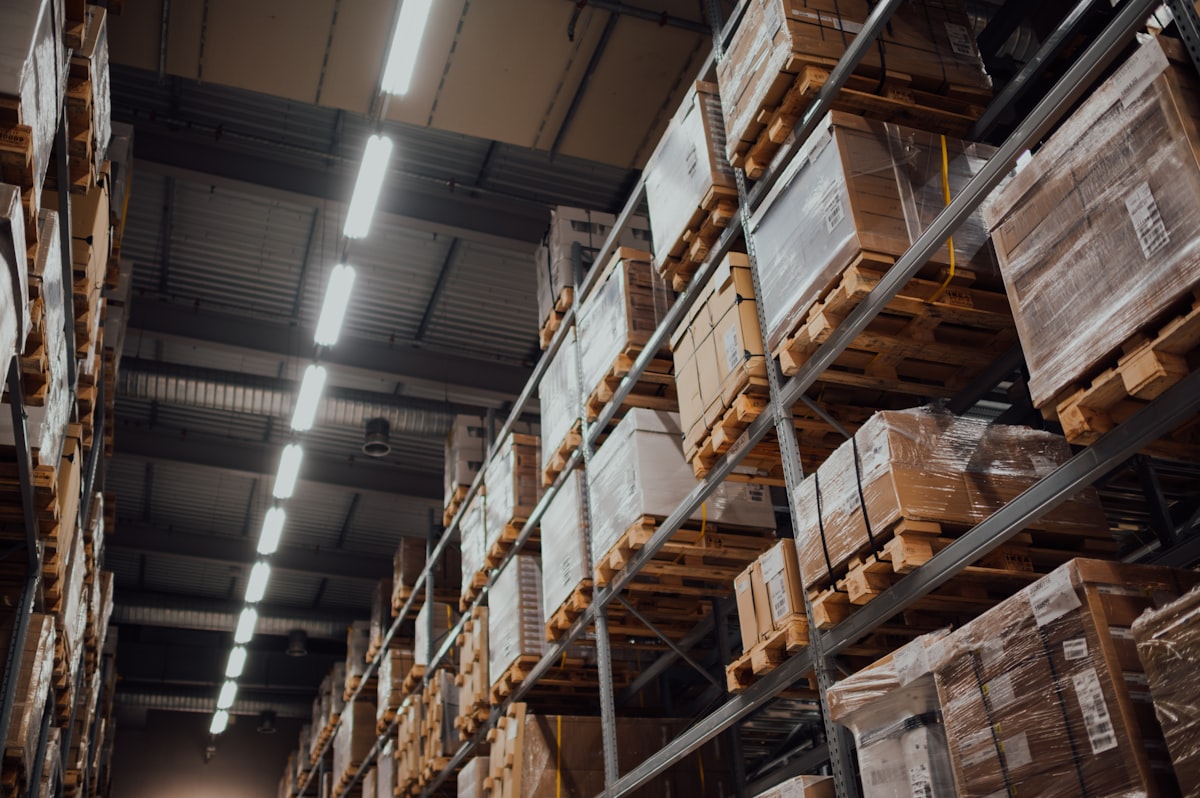
Wholesale distributor warehouse with boxes ready for Amazon FBA shipment

How to Find the Best Wholesale Distributors USA Has to Offer in 2026

Ever ordered inventory from a “wholesale supplier” only to receive damaged goods, late shipments, or a price that quietly doubled after the first order? That’s the reality for thousands of retailers who pick a distributor based on a flashy website instead of real vetting. If you’re searching for wholesale distributors USA businesses actually trust, you’re in the right place. This guide breaks down how to evaluate US wholesale distributors, what separates a legitimate supplier from a middleman reseller, and how to build a sourcing strategy that protects your margins instead of eating them.

By the end, you’ll know exactly what questions to ask, which red flags to avoid, and how to shortlist american wholesale distributors that fit your niche.

US wholesale distributors pricing and MOQ comparison chart
Key factors to compare before choosing a wholesale distributor

What Makes a Wholesale Distributor Different From a Supplier or Manufacturer

A lot of new business owners use “wholesaler,” “supplier,” and “manufacturer” interchangeably. That’s a mistake, and it costs money.

  • Manufacturers produce goods but usually require huge minimum order quantities (MOQs).
  • Wholesale distributors buy in bulk from manufacturers and resell in smaller, more manageable quantities to retailers.
  • Suppliers is a broader umbrella term that can include either of the above, or a broker who never touches the product.

Because wholesale distributors sit in the middle of the supply chain, they typically offer faster shipping, lower MOQs, and more flexible payment terms than going straight to a factory overseas wholesale distributors USA.

Pro Tip: Always ask a potential distributor whether they hold physical inventory or drop-ship from a third party. Distributors with their own warehouses tend to have far more consistent lead times.

Why Sourcing From US Wholesale Distributors Matters More Than Ever

Global shipping delays over the past few years pushed a lot of retailers to rethink overseas sourcing entirely. According to the U.S. Census Bureau’s wholesale trade data, wholesale trade sales in the U.S. consistently run into the hundreds of billions of dollars monthly, showing just how large and active this sector remains.

Working with american wholesale distributors instead of overseas factories gives you several practical advantages:

  1. Shorter shipping times (days instead of weeks)
  2. Easier returns and dispute resolution under U.S. commercial law
  3. Better communication  no time zone gymnastics or language barriers
  4. Lower tariff and customs risk

I’ve watched clients switch from an overseas supplier to a domestic one purely because a single customs delay wiped out an entire holiday sales window. That’s not a hypothetical  it’s a scenario that plays out every Q4 across small e-commerce brands.

How to Vet Wholesale Distributors USA Before You Commit

Check Business Legitimacy First

Before you place a single order, confirm the distributor has a registered business entity, a real physical address, and a working phone line  not just a contact form. Scam wholesale sites are common enough that the FTC maintains ongoing consumer alerts about fake wholesale and dropshipping schemes wholesale distributors USA.

Request Samples and References

Any legitimate distributor should let you order a small sample batch. If they refuse or push you straight to a bulk MOQ, that’s a warning sign.

Compare Pricing Transparently

FactorRed FlagGreen Flag
PricingHidden fees added at checkoutClear tiered pricing sheet
MOQUnusually high for a “wholesaler”Reasonable, scalable MOQs
Payment termsWire transfer only, no invoiceNet 30/60 terms available
ContactGeneric email onlyPhone + verifiable address

Expert Insight: In my experience helping retailers switch suppliers, the biggest cost isn’t a bad price  it’s inconsistent fulfillment. A distributor charging 5% more but shipping on time every single week will save you more money than a cheaper one that ships late once a quarter.

Where to Find Reliable US Wholesale Distributors

You don’t have to rely on random Google searches alone. Consider these channels wholesale distributors USA:

  • Trade directories like ThomasNet, which vets manufacturers and distributors across the U.S.
  • Industry trade shows — still one of the best ways to meet distributors face-to-face
  • Wholesale marketplaces built specifically for B2B bulk ordering
  • Direct outreach to regional distribution centers in your product category

Consequently, combining two or three of these methods usually gives you a stronger shortlist than depending on one channel alone.

Niche-Specific Directories Matter

If you’re in a specialized category say, medical supplies or industrial hardware  general directories won’t cut it. Search for niche-specific wholesale associations instead; they tend to vet members more strictly wholesale distributors USA.

Building a Long-Term Relationship With Your Distributor

Once you’ve picked a distributor, the real work begins. Treat the relationship as a partnership, not a one-time transaction wholesale distributors USA.

  • Negotiate volume-based discounts as your order size grows
  • Ask for a dedicated account rep once you’re ordering regularly
  • Set clear expectations on lead times and restocking schedules
  • Review contracts annually pricing and terms shift as markets change

Pro Tip: Distributors often reserve their best terms for retailers who communicate proactively about upcoming order volume. A quick heads-up email before a big seasonal order can unlock better pricing than you’d get by just placing the order cold.

american wholesale distributors packing and shipping bulk orders
How wholesale distributors USA prepare bulk orders for retailer delivery

What to Look For in a Wholesale Distributor: Quick-Reference Checklist

Before you commit to a new supplier, run them through this checklist. See our full wholesale supplier vetting checklist and guide to verifying an authentic distributor for more detail on each point.

What to CheckWhy It MattersRed Flag
Registered business licenseConfirms a real, legally operating companyWill not share license or EIN info when asked
Real, itemized invoiceThe documentation Amazon ungating and authenticity reviews actually require – see our invoice requirements checklistOnly offers a retail-style payment receipt, not a business invoice
Verifiable address and phone numberLets you confirm the business actually existsPO box only, or the number goes unanswered
Clear MOQ and pricing tiers in writingAvoids surprise costs after the first orderPricing changes once you have already placed an order
Traceable relationship to the manufacturer or brandReduces the risk of counterfeit or gray-market goodsCannot explain where their stock actually comes from
References or a sample order optionLets you verify quality before committing to bulkRefuses samples or will not connect you with other buyers

Final Takeaways

Finding trustworthy wholesale distributors USA retailers can rely on comes down to three things: verifying legitimacy, comparing pricing transparently, and building long-term relationships instead of one-off transactions. Whether you’re sourcing from us wholesale distributors for the first time or switching from an overseas supplier, doing your homework upfront saves real money down the line. Ready to start sourcing smarter? Explore our distributor directory, compare your options, and reach out to a supplier that fits your business today.

Looking for an Amazon Wholesale Distributor Specifically?

Everything above applies whether you are stocking a retail storefront or reselling on Amazon, but Amazon resale adds one more requirement most generic distributor-vetting advice skips: a real, itemized invoice you can show Amazon during an ungating or authenticity review. An Amazon wholesale distributor worth working with should be able to produce that documentation on request, not just competitive pricing.

✓ Verified Amazon Wholesale Supplier & Distributor

Wholesale Distributors US is a verified Amazon wholesale distributor shipping inventory with a real, itemized invoice showing supplier details and purchase dates – the same documentation that supports Amazon ungating and authenticity checks. Apply for a wholesale account to see current terms.

Frequently Asked Questions

What is the difference between a wholesale distributor and a wholesaler?

The terms are often used interchangeably, but a wholesale distributor typically holds inventory and has direct relationships with manufacturers, while a general “wholesaler” may sometimes broker deals without holding stock themselves.

How do I verify a wholesale distributor is legitimate?

Check for a registered business license, verifiable physical address, working phone number, and online reviews from other retailers. Legitimate distributors rarely hesitate to provide references or sample orders.

What is a typical minimum order quantity for US wholesale distributors?

MOQs vary widely by industry, ranging from as low as 10-25 units for small goods to several hundred for bulk commodities. Always confirm MOQ before assuming pricing applies.

Are American wholesale distributors more expensive than overseas suppliers?

Sometimes, yes, on a per-unit basis. However, faster shipping, lower return risk, and no customs delays often offset the price difference when you factor in total landed cost.

How many wholesale distributors should I work with at once?

Most experienced retailers recommend at least two per product category. This protects you from stockouts or price hikes if one distributor runs into supply issues.

Do I need a resale certificate to buy from a wholesale distributor?

Most US distributors require one so they are not obligated to charge sales tax on items you intend to resell – requirements vary by state. See our resale certificate guide for details.

Can a wholesale distributor provide documentation for Amazon ungating?

A legitimate distributor should be able to provide a real, itemized invoice showing their business details and your purchase – the same type of document Amazon’s ungating and authenticity reviews ask for.

What is a red flag that a wholesale distributor is not legitimate?

Reluctance to provide a real invoice, no verifiable business address or phone number, demands for payment through untraceable methods, or pricing far below the typical wholesale range for that category.

Should I buy from a distributor or go directly to the manufacturer?

Manufacturers sometimes require MOQs too high for smaller resellers. A wholesale distributor often provides lower minimums and faster access to multiple brands through one relationship – see our distributor vs. manufacturer-direct comparison.

Is Wholesale Distributors US an Amazon wholesale distributor?

Yes. Wholesale Distributors US is a verified Amazon wholesale supplier and distributor, shipping bulk inventory with a real, itemized invoice that supports Amazon ungating and authenticity reviews for resellers on Amazon, eBay, and Walmart.