
hero-warehouse-aisle-motion-opt

Amazon Buy Box Eligibility Gate Removed: 2026 Guide

If you sell the same authentic, wholesale-sourced products as other resellers on Amazon, the rules for winning the Buy Box just changed – and Amazon didn’t send out a press release with your name on it. In 2026, Amazon began removing the old “Featured Offer eligibility gate,” the pass/fail performance check that used to block sellers with weak account health from competing for the Buy Box at all. Here’s what actually changed, and what it means if you’re building an FBA business on wholesale-purchased inventory.

What the Buy Box Eligibility Gate Used to Do

Until 2026, winning the Buy Box (Amazon calls it the “Featured Offer”) was a two-step process. Step one was an invisible pass/fail filter: Amazon checked account-health signals like Order Defect Rate, chargeback rate, and Voice of the Customer complaints, and any seller who fell short was suppressed from the Featured Offer entirely – full stop, regardless of price or delivery speed. Only sellers who cleared that bar moved to step two, where they actually competed on price, delivery speed, and service quality. In practice, that first gate was quietly filtering out a chunk of the competition before the real contest even started.

What Changed in 2026

Amazon is removing that standalone eligibility gate. Reporting on the exact timeline and mechanism varies slightly – one account puts the announcement at July 8, 2026, with performance metrics repositioned to influence account health and enforcement rather than offer-level eligibility; another describes an EU/UK rollout beginning July 20, 2026, with performance folded into an undisclosed-weight blended ranking score alongside price and delivery. What’s consistent across sources: the hard pass/fail blocker is gone, the rollout is happening in waves across marketplaces through the rest of 2026, and Amazon isn’t notifying individual sellers when the change hits their account. The safest assumption is that Order Defect Rate, cancellation rate, and similar account-health metrics still matter – they just aren’t an automatic disqualifier the way they used to be.

Why This Matters More When You’re Reselling Wholesale-Sourced Inventory

If you’re sourcing authentic, brand-name inventory through wholesale purchasing and listing it alongside other resellers on the same ASIN, this change widens your competition. Sellers who previously couldn’t win the Buy Box at all – because their account health didn’t clear the old gate – can now compete purely on price and delivery speed while their performance history sits in the background as just one input among several. That’s more sellers bidding for the same Buy Box you’re used to competing for, some of whom may not have the same standards around authentic sourcing or invoice documentation that you do.

What Wholesale Resellers Should Do About It

A few practical adjustments are worth making now, before the rollout reaches your account. Keep account health metrics clean regardless – Order Defect Rate, cancellation rate, and valid tracking rate still feed into the ranking picture even without the hard gate, so there’s no reason to relax there. Check your Buy Box share more often than you have been; a rollout with no per-seller notification means you may not know it’s hit your account until win rate shifts. Lean into being able to document an authentic, verified supply chain – real wholesale invoices and an authorized-distributor paper trail matter more now that Amazon’s automatic filtering of marginal sellers is gone, not less. And keep pricing and delivery speed sharp, since those remain core ranking inputs either way this shakes out.

Whatever changes on Amazon’s side, the fastest way to protect your margin and your Buy Box competitiveness is starting from a real, verified wholesale supply chain – not another marked-up middleman.

Did Amazon remove the Buy Box eligibility gate for all sellers at once?

No. Reporting describes a staged, wave-by-wave rollout across marketplaces through the rest of 2026, with no individual notification when it reaches a given seller account.

Does account health still matter for winning the Buy Box?

Yes. Order Defect Rate, cancellation rate, and similar metrics haven’t disappeared – they’re being repositioned as inputs into account health, enforcement, and/or a blended ranking score rather than acting as a standalone pass/fail block.

How does this affect resellers who buy inventory wholesale to sell on Amazon?

It widens the pool of sellers who can compete for the Buy Box on the same listing, including some who couldn’t win it at all under the old gate. A clean account, sharp pricing and delivery, and a documented, authentic supply chain matter more as differentiators now, not less.

Related reading: Amazon Buy Box: How It Works for Wholesale Resellers | How to Verify an Authentic Wholesale Distributor | How to Spot Counterfeit Wholesale Products | Amazon’s New List Price Rules

Apply for a Wholesale Account

demo-attachment-449-businesswoman-analysing-document-P8WSNMC

eBay Bundle Discounts Are Now Open to Every Seller: A Guide for Wholesale Resellers

eBay opened its bundle discounts feature to every seller during the week of August 23, 2026, following a phased rollout that started earlier that month. It’s a promotional tool that lets you set your own percentage-off pricing for buyers who purchase 2, 3, or 4-or-more items at once – and for anyone reselling wholesale-sourced inventory, it’s one of the more directly useful things eBay has shipped this year.

What eBay’s Bundle Discounts Actually Do

You set separate discount percentages for three tiers: two items, three items, and four-or-more items – common examples are 10% off two, 15% off three, and 20% off four-or-more, though the exact numbers are entirely up to you. Once you turn the feature on, all your eligible listings are enrolled by default, and new listings join automatically going forward. You can exclude specific listings at any time, up to a current cap of 100 individual exclusions. The discounts can run alongside eBay’s own sitewide sale events, but they don’t stack with seller coupons or other order discounts – if more than one applies, eBay uses whichever is the better deal for the buyer. If a buyer returns part of a bundled order, the remaining items are automatically repriced based on their new quantity tier.

Why This Matters More When You’re Buying Wholesale

Bundle discounts reward exactly the buying pattern that case-quantity sourcing creates: multiple identical units sitting in stock, ready to move as a 2-pack, 3-pack, or larger set. Someone sourcing single units through retail arbitrage doesn’t have the quantity depth to run this profitably for long – they sell through their small batch and the bundle option goes dark until they find more stock. A reseller buying by the case pack from a documented wholesale distributor can keep a bundle discount live continuously, which is where the real benefit of this feature shows up.

A Shipping Perk Shipped Alongside It

eBay also now lets sellers buy a single shipping label that covers a buyer’s separate orders placed in the same shopping session, even when those went through separate checkouts – previously each checkout needed its own label. That’s a direct cost and packing-time saver during exactly the kind of multi-item orders a bundle discount is designed to encourage. eBay separately expanded thermal printer support to wider 4×6 label formats, letting labels, packing slips, and receipts print in one pass.

Setting It Up

You can turn bundle discounts on through the eBay app (Selling, then the Bundles icon), My eBay (Account, then Selling, then Bundle discounts), or Seller Hub (Active listings, then the Actions menu, then Add or Review Discounts). Pick your percentage for each tier and choose which listings participate – identical items and assorted combinations can both qualify. If your margin doesn’t support a broad discount, exclude the SKUs where it doesn’t make sense before turning the feature on site-wide.

The Practical Takeaway

This feature rewards sellers who can restock the same SKU quickly rather than sellers running a one-time batch. That’s the same argument that applies to sourcing generally: buying from a wholesale distributor in the USA with real case-pack availability – rather than relying on single-unit retail finds – is what makes an ongoing bundle discount realistic to sustain through Q4. It’s a small feature, but it’s a genuine example of eBay’s own tools favoring sellers who buy and sell in volume. For the other side of eBay’s 2026 rule changes, see our eBay User Agreement changes guide, and for the math behind buying in case quantities, see Bulk Purchasing for Lower Unit Cost.

Are eBay’s bundle discounts open to every seller now?

Yes. After a phased rollout earlier in August 2026, eBay opened bundle discounts to all sellers during the week of August 23, 2026 – it’s no longer limited to a test group.

Can bundle discounts be combined with eBay coupons or sales?

They can run alongside eBay’s own sitewide sale events, but they don’t stack with seller coupons or other order-level discounts. If more than one discount could apply, eBay applies whichever is the better deal for the buyer.

Do I need a lot of inventory to make bundle discounts worthwhile?

Not technically, but the discount only pays off if you can keep fulfilling multi-unit orders without running out mid-promotion. Buying in case quantities from a documented wholesale distributor makes that realistic in a way that sourcing single units usually doesn’t.

Is there a limit on how many listings I can exclude from bundle discounts?

Yes, currently up to 100 individual listing exclusions. eBay’s product team has said category-level exclusions may be added later, but that isn’t live yet as of this writing.

Related reading: Bulk Purchasing for Amazon FBA: Lower Your Unit Cost | Case Pack vs. Pallet: Which Wholesale Buying Format Is Right for You | eBay’s 2026 User Agreement Changes: What Sellers Need to Know

Apply for a Wholesale Account

Rows of wholesale inventory boxes on shelves

TikTok Shop Wholesale Sourcing: What Its Own Authenticity Rules Mean for You (2026)

TikTok Shop’s US sales have grown fast enough in 2026 that it’s now a genuine third sourcing channel alongside Amazon, eBay, and Walmart – and TikTok’s own seller rules lean on the same “authorized reseller” language this business’s invoice-based model is already built around. Here’s what TikTok’s guidance actually says, and why it matters if you’re listing there.

TikTok Shop’s US Growth Made It a Bigger Target for Counterfeit Crackdowns

Third-party estimates from DemandSage (published September 2026, citing eMarketer, CNBC, and Modern Retail) put US TikTok Shop GMV at roughly $15.82 billion in 2025 – about 18.2% of US social commerce – projected to reach around $23.41 billion in 2026, close to 48% year-over-year growth. The same report notes H1 2026 alone hit $11.8 billion, more than double H1 2025, with 215,000+ active small-business sellers in the US. Worth noting: these are third-party estimates, not an official figure TikTok itself has published. Still, this level of GMV and seller growth is exactly the condition that has historically brought more IP and counterfeit enforcement on other platforms – the same tightening Amazon has already gone through with ungating and verification requirements.

What TikTok Shop’s Own Seller Rules Actually Require

Per TikTok Shop’s official Seller University guidance on avoiding counterfeits, knockoffs, and trademark infringement: sellers must sell only authentic or authorized products, and should source directly from brands or authorized resellers. TikTok itself names a supplier price that’s “significantly lower” than seen elsewhere as a red flag. Sellers also can’t hide or alter trademarks, use “dupe,” “replica,” or “inspired by” language, or use brand hashtags to route around authorization requirements. Worth being honest here: TikTok’s public guidance doesn’t spell out a specific invoice or paperwork format – it describes the sourcing behavior expected, not a document checklist.

Why Keeping an Invoice Trail Still Matters, Even Without a Formal Mandate

If a listing gets flagged, IP-claimed, or a buyer disputes authenticity, being able to show a wholesale invoice from a documented, verifiable distributor is the practical way to demonstrate the “sourced from an authorized reseller” standard TikTok itself describes. It’s the same documentation habit we cover for Amazon inauthentic-complaint disputes and for verifying an authentic distributor in the first place – it just applies just as directly on TikTok Shop.

One Sourcing Relationship Can Cover Multiple Channels

If you’re already selling the same skincare, haircare, or household product lines across Amazon, eBay, and Walmart, you don’t need a separate supplier just because you add TikTok Shop. One set of wholesale invoices from a documented distributor supports authenticity questions on any of those channels – see our broader breakdown of wholesale purchasing across Amazon, eBay, and Walmart for the same logic applied channel by channel.

Does TikTok Shop require invoices to prove products are authentic?

No specific invoice format is mandated in TikTok’s public seller guidance as of September 2026. The actual requirement is sourcing from brands or authorized resellers – keeping supplier invoices is a practical way to document that if a listing is ever challenged.

How big is TikTok Shop in the US now?

Third-party estimates (DemandSage, September 2026, citing eMarketer, CNBC, and Modern Retail) put 2026 US GMV near $23.4 billion with 215,000+ active US sellers. TikTok hasn’t published an official 2026 figure as of this writing, so treat these as informed industry estimates rather than TikTok’s own numbers.

Can I use the same wholesale supplier for Amazon and TikTok Shop?

Yes. The same authentic inventory can be sourced for multiple channels – one clear invoice trail from a documented distributor supports authenticity requirements on any platform that asks.

What happens if TikTok Shop flags a listing as a possible counterfeit?

Per TikTok’s own guidance, sellers should be able to show the product came from the brand or an authorized reseller – a wholesale invoice is the natural evidence for that.

Related reading: Wholesale Purchasing for Amazon, eBay & Walmart Resellers | How to Verify an Authentic Wholesale Distributor | How to Spot Counterfeit Products When Buying Wholesale | Protect Against Amazon Inauthentic Complaints | Amazon’s New Multichannel Tools: What It Means for You

Apply for a Wholesale Account

Supply chain logistics warehouse operations

Amazon’s 2026 Black Friday & Cyber Monday Inventory Deadlines Got Tighter

Amazon just tightened every inbound-inventory deadline for the 2026 holiday season, and if any of your Black Friday or Cyber Monday inventory is still overseas, the new dates leave less room for error than last year. Here’s what actually changed, the exact cutoffs, and why sourcing already-landed stock changes the math.

Amazon Just Moved Every 2026 Holiday Inbound Deadline Earlier

Amazon published its 2026 holiday calendar to Seller Central forums in early July 2026. Every inbound-inventory window – Amazon Warehousing & Distribution (AWD), FBA minimal-split shipments, and FBA optimized-split shipments – shifted earlier than the 2025 pattern. That tightens the runway for anyone still sourcing or importing inventory ahead of Black Friday and Cyber Monday.

The Dates That Matter for Black Friday & Cyber Monday 2026

Based on Amazon’s published calendar: the AWD inbound cutoff is October 14, 2026. The FBA minimal-split cutoff is October 21, 2026. The FBA optimized-split cutoff – the option most sellers use – is October 28, 2026. Always reconfirm the current dates in Seller Central before committing inventory, since Amazon can revise its calendar.

Fees Are Frozen, But That’s Not the Same as “No Cost”

The holiday peak fulfillment surcharge again averages $0.32 per unit, unchanged from last year. The promotion fee structure is also unchanged: $100 per promotion plus 1.5% of promotional sales, capped at $5,000. Worth noting honestly: the $50 early-submission discount had its own deadlines – August 5 for Prime Big Deal Days and September 5 for Black Friday/Cyber Monday – and both have already passed as of this post, so treat that discount as a “mark your calendar for next cycle” item rather than something still available.

Why This Matters More If You’re Sourcing Overseas

The real squeeze is an import-timeline problem, not just a calendar one. Inventory still on the water or not yet customs-cleared makes an October 28 (or October 14 for AWD) cutoff genuinely tight, especially layered on top of the customs-enforcement and importer-of-record scrutiny we covered in our tariffs and IOR update. Buying already-landed, duty-paid inventory from a documented US wholesale distributor removes the international-shipping and customs half of that countdown entirely – the clock starts when you place the order, not when your container clears the port.

The Practical Takeaway

Mark October 14, 21, and 28 on your calendar now, and decide which shipment type applies to your business. If overseas lead times make any of those dates uncomfortably close, sourcing wholesale from a domestic distributor is one of the few levers that removes the international-transit variable from your Q4 prep entirely.

What are Amazon’s 2026 Black Friday/Cyber Monday inventory deadlines?

Based on Amazon’s published July 2026 calendar: AWD inbound cutoff October 14, FBA minimal-split cutoff October 21, FBA optimized-split cutoff October 28. Always confirm current dates in Seller Central, since Amazon can revise.

Did Amazon raise its holiday fulfillment fees for 2026?

No. The peak fulfillment surcharge stayed flat at an average of $0.32 per unit, the same as the prior year.

Why did the deadlines move earlier this year?

Amazon hasn’t published a detailed rationale. Its calendar simply shows every inbound window shifted earlier than the 2025 pattern.

Does buying from a wholesale distributor avoid these Amazon deadlines?

Not the Amazon-side cutoffs themselves – your inventory still has to reach Amazon’s network by the same dates – but it removes the overseas-shipping and customs-clearance risk that makes those dates hard to hit for importers.

Related reading: Amazon Q4 2026 Prep Checklist for Wholesale FBA Sellers | Amazon 2026 Holiday Peak FBA Fees | Amazon FBA Tariffs 2026: Why Wholesale From a US Distributor Protects Your Margins | Amazon’s 2026 FBA Storage Squeeze: Why Days-of-Cover Shrank | Prime Big Deal Days 2026: A Wholesale Buyer’s Checklist | Inbound Placement Fee vs. Split Shipment

Apply for a Wholesale Account

Cardboard boxes stacked for bulk wholesale shipping

Canada’s New Tariffs on US Goods (Sept 2026): What They Actually Mean for Amazon & eBay Wholesale Resellers

Canada hit US-origin goods with retaliatory counter-tariffs in September 2026, and headlines about it can sound alarming if you’re a US-based wholesale reseller. Here’s what actually changed, which categories are hit hardest, and – most importantly – who this actually affects.

What Changed on September 8, 2026

Canada’s Department of Finance imposed retaliatory counter-tariffs on roughly CA$27.6 billion of US-origin goods, effective September 8, 2026. The tariffs are tiered at 15%, 25%, and 50%, roughly matching the US Section 232/338 tariff rates that prompted the response. Goods already in transit before September 8 are exempt.

Which Categories Are Hit Hardest

The 50% tier covers beauty and personal-care products (perfumes, makeup, hair care), household paper and plastic goods (tissue, paper towels, plastic tableware and kitchenware), and lighting fixtures and parts. A 25-50% band covers apparel, textiles, and carpets, with dairy, steel, and wood/paper products also affected. If you notice overlap with categories carried on this site – Cetaphil, CeraVe, and Aveeno in beauty, or Ziploc, Brita, and Fairy in household goods – that overlap is real, but category overlap isn’t the same as being affected. That’s the next section.

Who Is Actually Affected (and Who Isn’t)

These tariffs tax goods crossing the US-Canada border on import into Canada. If you’re sourcing from a documented US wholesale distributor and reselling exclusively to US Amazon customers, your goods never cross that border – you’re not directly affected by this round of tariffs at all. This mainly matters for sellers who also ship cross-border to Canadian buyers, whether through eBay’s International Shipping program or Amazon.ca. That slice of the business needs to re-check landed cost and margin on anything in the 50% tier before committing more inventory to it.

How eBay Responded – and What It Doesn’t Fix

eBay set up a free drop-off option at a shipping hub in Mississauga, Ontario for affected sellers. It’s worth being clear about what this does and doesn’t do: it’s a logistics convenience, not a tariff reduction. Customs duty is still assessed in full when goods enter Canada – the drop-off option doesn’t waive or reduce what’s owed. Separately, and less confirmed, some sellers have reported US-origin electronics and computer parts being returned as “undeliverable” at that hub with no official reason given from eBay – worth treating as an early, unconfirmed report rather than a settled policy.

The Practical Takeaway for Wholesale Buyers

The core protection here is the same one that applies to US import tariffs and customs enforcement: sourcing from a documented US wholesale distributor and reselling domestically sidesteps this entire round of cross-border tariff exposure. If cross-border Canadian sales are already part of your business, budget the new tiers into your landed cost calculations before committing more inventory in the hardest-hit categories, and revisit your channel mix across Amazon, eBay, and Walmart if Canadian exposure has become a meaningful share of margin risk.

Do Canada’s September 2026 tariffs affect Amazon sellers who only sell to US customers?

No. These tariffs apply to goods crossing the US-Canada border on import into Canada – if your goods never cross that border, you’re not directly affected.

What categories were hit hardest by Canada’s tariffs?

The 50% tier covers beauty and personal-care products, household paper and plastic goods, and lighting fixtures and parts. A 25-50% band covers apparel, textiles, and carpets, with dairy, steel, and wood/paper products also affected.

Does eBay’s Mississauga shipping option reduce the tariff owed?

No. It’s a logistics convenience only – customs duty is still assessed in full when goods enter Canada.

Is it true some US electronics are blocked from shipping to Canada via eBay?

Some sellers have reported this, with no official reason given by eBay. It should be treated as an early, unconfirmed report rather than settled policy.

Related reading: Amazon FBA Tariffs 2026: Why Wholesale From a US Distributor Protects Your Margins | Wholesale Purchasing for Amazon, eBay & Walmart Resellers | eBay’s 2026 User Agreement Changes: What Sellers Need to Know

Apply for a Wholesale Account

Online store dashboard on a laptop screen

Amazon’s New AI Agent Rules: What They Mean for Your Wholesale Automation Tools

If you use software to reprice listings, audit FBA reimbursements, or automate order management, Amazon’s Business Solutions Agreement now has rules specifically aimed at that kind of automation. Here’s what the new Agent Policy actually requires – and why it’s mostly your tool vendor’s problem, not yours.

What Changed on March 4, 2026

Amazon added an “Agent Policy” to its Business Solutions Agreement covering “automated software or AI agents” that access Amazon Services on a seller’s behalf. Under the policy, any such agent must (1) self-identify as automated, (2) follow the terms of the Agent Policy, and (3) stop accessing Amazon Services if Amazon requests it. Amazon also added anti-reverse-engineering and no-AI-training-use protections, plus new arbitration terms under BSA Section 20. Sellers who kept using Amazon Services after March 4, 2026 are considered to have automatically accepted the updated terms – no separate opt-in was required.

Who This Actually Applies To

To be honest about it: the compliance burden falls mainly on the companies that build the automation, not on sellers who simply use it day to day. But the exact scope is genuinely unclear even within Amazon’s own seller community – repricers, FBA reimbursement/audit tools, order-management automation, and tracking-upload tools have all been raised in seller forums as possibly falling under the policy.

What Wholesale Sellers Using Automation Should Actually Do

For most sellers, there’s nothing to actively change day to day. The practical step is asking your tool vendor whether they’ve reviewed and updated for Agent Policy compliance – especially if you rely on reimbursement or audit software, FNSKU or labeling automation, or tools that touch your account or financing terms. If a vendor can’t answer that question clearly, that’s worth treating as a flag on its own, separate from the Agent Policy itself.

Does Amazon’s new Agent Policy require wholesale sellers to do anything themselves?

For most sellers, no. The compliance burden falls mainly on the companies that build the automation software, not on individual sellers who use it.

What is Amazon’s Agent Policy?

It’s a section added to Amazon’s Business Solutions Agreement, effective March 4, 2026, requiring automated software or AI agents that access Amazon Services to self-identify as automated, follow the policy’s terms, and stop access if Amazon requests it.

What automation tools might be affected?

Sellers in Amazon’s own forums have raised repricers, FBA reimbursement or audit tools, order-management automation, and tracking-upload tools as possibly in scope, though the exact boundaries remain unclear.

Did sellers need to accept the new terms separately?

No. Continued use of Amazon Services after March 4, 2026 is treated as automatic acceptance of the updated Business Solutions Agreement.

Related reading: Amazon Business Solutions Agreement: What It Means for Wholesale Sellers | Amazon’s FBA Reimbursement Policy: What Changed in 2026 | Amazon FNSKU and Commingled Inventory: What Wholesale Sellers Need to Know | Amazon’s New AI Seller Assistant

Apply for a Wholesale Account

Warehouse worker verifying wholesale inventory boxes

Amazon’s New Bulk TRF Tool for Wholesale Sellers (2026)

Amazon quietly upgraded one of the more tedious parts of compliance management this summer. As of July 24, 2026, Seller Central sellers no longer have to file a separate Test Request Form (TRF) for every single flagged product, one store at a time. A new bulk-submission tool lets sellers batch multiple products under the same compliance policy into a single request, with a centralized dashboard to track them all. For wholesale buyers stocking gated or testing-required categories, this is a small but genuinely useful operational change worth knowing about before Q4 ramps up.

What Changed

Previously, when Amazon flagged a product for third-party Testing, Inspection, and Certification (TIC) verification, sellers had to submit one Test Request Form per ASIN, per store – entering the same provider and product information over and over for every listing. Under the new system, products flagged under the same compliance policy can be batched into one submission. Sellers also get a single dashboard filterable by ASIN, TRF ID, Order ID, status, store, and TIC provider, plus visibility across multiple stores in the same region without switching interfaces. Amazon hasn’t published a numeric cap on how many products a single bulk submission can include, and cross-store visibility stops at regional boundaries – a seller running stores in different regions still tracks those separately.

Which Categories This Affects

This applies to the same gated, testing-required categories our other compliance posts already cover: dietary supplements and other consumables requiring safety or ingredient verification, certain electronics categories, and children’s products and toys subject to CPSIA-style testing. If you’re sourcing product in any of these categories through a verified wholesale channel with documented invoices and an authentic supply chain, this tool doesn’t change what you need to prove – it just makes filing the paperwork faster once Amazon flags something.

What This Means for Wholesale Buyers

Nothing about your sourcing obligations changes. You still need genuine invoices from an authorized distributor to support ungating and to respond to any compliance or authenticity request Amazon sends. What’s different is the administrative side: if you’re running multiple SKUs in a gated category, or operating more than one storefront in the same region, you can now clear a backlog of flagged listings in one pass instead of working through them one at a time. That matters most heading into Q4, when compliance holds on inventory can cost real sales during peak season.

✓ Verified Amazon Wholesale Supplier & Distributor

Wholesale Distributors US ships inventory with a real, itemized invoice showing supplier details and purchase dates – the same documentation Amazon’s Test Request Form process and any compliance check ultimately comes back to. Apply for a wholesale account to see current terms.

The Practical Takeaway

There’s no signup or waitlist – if your account has flagged listings, the bulk tool is already available in Seller Central. The realistic value here is time saved, not a change in what documentation Amazon will accept. Keep your invoices, certificates of analysis, and test reports organized by product line so that when a batch of listings gets flagged together, you can respond to all of them in the same submission rather than hunting for paperwork ASIN by ASIN.

FAQ

What is Amazon’s bulk TRF tool?

Effective July 24, 2026, it’s a Seller Central feature that lets sellers batch-submit Test Request Forms for multiple products flagged under the same compliance policy at once, with a single dashboard to track status by ASIN, TRF ID, Order ID, store, and TIC provider.

Do I still need wholesale invoices if I use the bulk TRF tool?

Yes – the bulk tool only speeds up how test requests get filed. It doesn’t change what documentation Amazon accepts. Genuine invoices from an authorized distributor are still what supports ungating and answers any compliance or authenticity check.

Related reading: Amazon’s Direct Validation Program: Toy, Supplement & E-Mobility Sellers Take Note | Buying Wholesale Toys and Games for Amazon Resale: CPSIA Compliance Guide | Wholesale Health & Household Products for Amazon: What Actually Needs Approval

Apply for a Wholesale Account

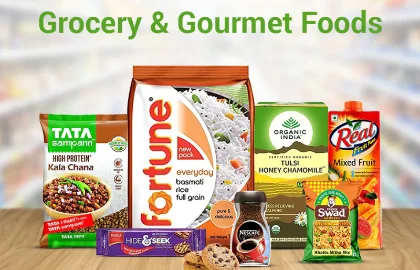
Wholesale grocery and gourmet food products for Amazon resale

Amazon Grocery & Gourmet Food: What Wholesale Buyers Need to Know

Amazon’s Grocery & Gourmet Food category covers everything from shelf-stable pantry staples to gourmet snacks and specialty imports – and wholesale buyers sourcing into this category run into a different set of rules than most other categories on this site. Instead of a straightforward gated-or-not answer, food comes with its own expiration-date, shelf-life, and seasonal-handling requirements that apply on top of whatever approval status your specific product ends up needing.

Is Grocery & Gourmet Food a Gated Category?

The honest answer is that sources disagree, and Amazon’s own guidance on this has shifted over time. Some sellers report being able to list ordinary packaged grocery items without hitting any approval gate at all, with real restrictions only kicking in for specific brands or products. Other current guides describe the category as requiring upfront approval, with an itemized invoice from an authorized distributor (generally dated within the last several months), proof of purchasing multiple units of the same product, and product photos before you can list. Given that conflict, the safest approach is to attempt your listing first and be ready to respond with a wholesale invoice, supplier information, and photos if Amazon does ask – rather than assuming either way. A real, itemized invoice covers you either way, whether it’s satisfying an upfront approval gate or answering a challenge after the fact.

Expiration Date and Shelf-Life Rules Apply Regardless of Gating

Separate from whether a specific product needs approval, Amazon enforces its own shelf-life rules on anything with an expiration date. Expiration dates on outer packaging generally need to be clearly legible (guidance commonly cites large print, often around 36-point font) and in a recognizable format like MM-DD-YYYY or MM-YYYY. Inventory typically needs a substantial amount of shelf life remaining when it arrives at a fulfillment center – commonly cited as around 105 days or more – and Amazon can flag or automatically remove units once they get too close to expiring, often cited around the 50-day-remaining mark. For wholesale buyers, this means factoring real shelf life into your purchasing decisions, not just unit cost: a great price on inventory that’s already partway through its shelf life can turn into a removal-order headache a few weeks after it lands at a fulfillment center.

Temperature-Sensitive Products Face a Seasonal Restriction

Amazon separately restricts heat-sensitive grocery items during warmer months in the Northern Hemisphere, commonly covering roughly May through October. Products that melt or degrade in heat – chocolate, gummies, and some wax- or gelatin-based items – can be restricted from standard FBA storage and shipping during that window, with sellers expected to arrange removal orders ahead of the restricted period or switch to Fulfilled by Merchant to keep selling through it. If you’re sourcing anything chocolate- or gummy-based for Amazon resale, plan your bulk buying and inventory timing around this seasonal window rather than treating it like a year-round shelf item.

What Falls Outside Regular Grocery Approval

A few things sold near or alongside grocery products are handled under entirely different rules, not the standard Grocery & Gourmet Food process. Alcohol is its own separate, more heavily regulated category with its own licensing requirements. Dietary supplements sold in food-adjacent packaging still fall under Amazon’s Dietary Supplements gating – the same GMP and FDA-registration-heavy approval we’ve covered separately for the health side of Health & Household – not the grocery process. And any product carrying an organic claim generally needs to be backed by USDA organic certification, since Amazon can request that documentation on top of your standard wholesale invoice.

✓ Verified Amazon Wholesale Supplier & Distributor

Wholesale Distributors US ships grocery and gourmet food inventory with a real, itemized invoice showing supplier details and purchase dates – the same documentation that can support an approval request or answer a compliance check either way. Apply for a wholesale account to see current terms.

Two examples of grocery items we carry are covered on their own pages: Starbucks Hot Cocoa mix and Black Forest Stretch Island fruit strips. Each page lists only the specific products we actually carry.

FAQ

Do I need approval to sell Grocery & Gourmet Food products on Amazon?

It depends on the product and your account – some sellers can list ordinary packaged grocery items without a gate, while others are asked for an itemized invoice, proof of multi-unit purchase, and product photos before approval. Have your wholesale documentation ready either way.

How much shelf life does grocery inventory need when it reaches Amazon?

Amazon commonly expects a substantial amount of remaining shelf life at arrival – often cited around 105 days or more – and can flag or remove units automatically as they get close to expiring, commonly around the 50-day-remaining mark.

Can I sell chocolate or gummy products on Amazon year-round?

Amazon restricts heat-sensitive items like chocolate, gummies, and some wax- or gelatin-based products from standard FBA during the warmer months (commonly around May through October) unless you switch to Fulfilled by Merchant or plan removal orders ahead of the restricted window.

Related reading: Amazon Ungating Guide by Category (2026): What Invoices You Actually Need | Wholesale Health & Household Products for Amazon: What Actually Needs Approval | Invoice vs. Receipt for Amazon Ungating: What Actually Counts (2026)

Apply for a Wholesale Account

Branded packaged grocery items from major consumer brands are part of this mix too – for example, we carry genuine Starbucks-branded grocery products including Hot Cocoa mix, with the same invoice documentation that supports Amazon ungating for other brands in this category.

category-45-opt

Amazon Ended FBA Prep & Labeling Services: What Wholesale Buyers Need to Do

Since January 1, 2026, Amazon no longer offers prep and item-labeling services for FBA shipments in the US. If you assumed Amazon would poly-bag, bubble-wrap, or barcode your inventory for you, that safety net is gone – and if you’re newer to wholesale reselling, this is one of those changes that’s easy to miss until an inbound shipment gets flagged.

What Amazon Actually Stopped Doing

Amazon discontinued item-level bagging, bubble-wrap application, barcode and FNSKU labeling, and carton prep as paid services for US FBA shipments. Before this change, a seller could ship unprepped inventory to Amazon and pay to have it prepped on arrival. That option is gone for shipments created after the cutoff – every unit now needs to already be properly prepped and labeled before it reaches an Amazon fulfillment center.

What This Means When You’re Buying Wholesale Inventory

If you’re sourcing pallets or cases of wholesale inventory to resell on Amazon, someone in the chain now has to handle individual unit labeling before it goes in – that’s on you, a third-party prep center, or built into your process if you’re already applying FNSKU labels as part of your standard receiving workflow. Some eligible products can skip part of this by enrolling in Amazon’s Ships in Product Packaging program, which lets certain items ship in their original manufacturer packaging without additional poly-bagging. For anything else, budget the extra time and, if needed, the cost of a third-party prep provider into your inventory planning rather than assuming Amazon will handle it on arrival.

The Real Cost of Skipping Proper Prep

This isn’t just an inconvenience. Shipments that arrive without proper prep can be rejected or delayed at receiving, and inventory that wasn’t properly prepped may not qualify for damage reimbursement or traceability claims if something goes wrong later. Getting your labeling right at receiving matters for the same reason a documented invoice matters for ungating – it’s part of the paper trail Amazon expects you to have in order.

✓ Verified Amazon Wholesale Supplier & Distributor

Wholesale Distributors US ships every order with a real, itemized invoice so your paperwork is in order for ungating and reimbursement claims alike – apply for a wholesale account to see current terms.

Prep TaskWho Handles It NowWhat To Check Before You Order
FNSKU barcode labelingYou, or a 3rd-party prep centerAsk your supplier if cases already carry scannable manufacturer barcodes you can map to FNSKU
Poly-bagging (loose items, liquids, powders, fragile/sharp items)You, or a 3rd-party prep centerConfirm which SKUs in your order actually require bagging under Amazon’s current packaging rules
Bundling/kitting multi-packsYou, or a 3rd-party prep centerClarify whether your supplier ships pre-kitted multi-packs or individual units
Carton/box labeling and count accuracyYou, or a 3rd-party prep centerVerify case-pack counts match the packing slip before relabeling cartons
Expiration-date labeling (supplements, food, cosmetics)You, or a 3rd-party prep centerAsk whether expiration dates are already printed and legible, or need an added label

Frequently Asked Questions

When did Amazon stop offering FBA prep and labeling services?

Amazon stopped offering prep and item-labeling services for US FBA shipments starting January 1, 2026. Shipments created after that date need to arrive already prepped and labeled.

What prep tasks did Amazon used to handle that sellers must now do themselves?

Item-level bagging, bubble-wrap application, barcode and FNSKU labeling, and carton preparation – these are no longer available as paid services on inbound FBA shipments in the US.

What happens if my wholesale inventory arrives at Amazon without proper prep?

Improperly prepped shipments can be rejected or delayed at receiving, and inventory that was not properly prepped may not qualify for damage reimbursement if something goes wrong in transit.

Does this affect bulk or wholesale shipments differently than small private-label shipments?

Bulk and case-pack shipments carry more risk per shipment: if even one carton in a large pallet order is mislabeled or missing an FNSKU, it can hold up or trigger a rejection on the entire inbound shipment, not just one unit.

Should I prep inventory in-house or use a third-party prep center?

It depends on your warehouse space and labor. In-house prep gives you more control and can be cheaper at volume if you already have the space; a third-party prep center costs more per unit but is hands-off, which can be worth it for sellers without storage or staff.

Can I ask my wholesale supplier to pre-prep items before shipping to me?

Yes – this is worth asking any supplier directly before placing a bulk order. Some suppliers can ship retail-ready, pre-labeled inventory, which shifts the prep work upstream before it ever reaches you.

Is there any way to skip some of this prep work?

Amazon’s Ships in Product Packaging program lets certain eligible items ship in their original manufacturer packaging without additional poly-bagging, which can reduce (not eliminate) prep work for qualifying products.

Where can I find Amazon’s current, official prep and labeling requirements?

Amazon’s Seller Central Help pages cover current FBA prep and packaging requirements for logged-in sellers. The January 1, 2026 change itself was confirmed directly by an Amazon representative in the official Seller Forums, who stated Amazon would no longer offer prep and item-labeling services for FBA shipments in the US store.

Related reading: Amazon Ends Commingled Inventory: FNSKU Labeling Now Required for Wholesale Resellers | Amazon’s FBA Reimbursement Policy: What Changed in 2026 | Invoice vs. Receipt for Amazon Ungating: What Actually Counts (2026) | Case Pack vs. Pallet: Which Wholesale Buying Format Is Right for You | How to Verify an Authentic Wholesale Distributor

Apply for a Wholesale Account

warehouse-storage-opt

Wholesale Health & Household Products for Amazon: What Actually Needs Approval

Amazon’s Health & Household browse category covers everything from paper towels and laundry detergent to vitamins and OTC medication – and those two halves are treated very differently when it comes to seller approval. If you’re sourcing wholesale health and household inventory for Amazon resale, knowing which side of the category a product sits on saves you from either an unnecessary approval scramble or an unpleasant surprise mid-listing.

Everyday Household Products Are Usually Not a Gated Category

Paper towels, toilet paper, laundry stain removers, dusters, and general cleaning supplies – the kind of household consumables that make up most of this category – typically aren’t restricted categories on Amazon at all. You can generally list them with a standard Professional Seller account, no special approval application required. That doesn’t mean anything goes, though: well-known national brands can still trigger automated authenticity flags or buyer complaints, so sourcing from a supplier who can produce a real, itemized invoice still matters if your account ever needs to prove where inventory came from.

The “Health” Side Faces Real Restrictions

Dietary supplements, over-the-counter drugs, and medical devices and accessories sit in a completely different tier. These are established gated categories that require approval before you can list, and the documentation bar has gotten stricter rather than looser: supplements increasingly require GMP (Good Manufacturing Practice) facility certification alongside FDA registration, while OTC drugs and medical devices typically call for FDA registration, compliant labeling, and in some device cases 510(k) clearance. None of this is a standard invoice-only ungating request – expect a meaningfully heavier documentation lift than a typical wholesale category approval.

Aerosols and Liquid Cleaners Can Add a Hazmat Layer

Some household chemical products – aerosol cleaners, sprays, and certain liquid formulations – can also trigger Amazon’s separate dangerous goods (hazmat) review on top of any category approval, since that review runs on its own track based on the product’s actual composition rather than which browse category it’s listed in. We’ve covered what that process involves in detail separately, since it applies across several categories beyond just household products.

✓ Verified Amazon Wholesale Supplier & Distributor

Wholesale Distributors US ships household and health products alike with a real, itemized invoice, giving you the documentation both the ungated everyday items and the more heavily regulated health items may eventually require. Apply for a wholesale account to see current terms.

If you are sourcing in this category, our brand pages cover the household and personal care products we carry, including Oral-B, Dove Men+Care, Bed Head by TIGI, Swiffer, Bounty, and OxiClean. Each page lists the specific products we actually carry.

FAQ

Do I need Amazon approval to sell household products like paper towels or cleaning supplies?

Generally no – everyday household consumables aren’t a restricted category on Amazon and can usually be listed with a standard Professional Seller account, though a real supplier invoice still helps if a brand-authenticity question ever comes up.

What Amazon approval do I need for supplements or OTC drugs?

These are gated categories with a heavier documentation requirement than most: dietary supplements increasingly require GMP facility certification plus FDA registration, while OTC drugs and medical devices typically need FDA registration, compliant labeling, and sometimes 510(k) clearance for devices.

Can a household cleaning product need hazmat approval even if it isn’t gated?

Yes. Aerosols and certain liquid chemical formulations can trigger Amazon’s separate dangerous goods (hazmat) review based on the product’s composition, independent of whether the browse category itself requires approval.

Related reading: Amazon Ungating Guide by Category (2026): What Invoices You Actually Need | Amazon Hazmat & Dangerous Goods Approval: What Wholesale Sellers Need to Know | How Wholesale Resellers Can Protect Against Amazon ‘Inauthentic’ Complaints | Amazon Grocery & Gourmet Food: What Wholesale Buyers Need to Know | Amazon’s New Bulk TRF Tool for Wholesale Sellers (2026)

Apply for a Wholesale Account

Supplements specifically carry extra documentation requirements worth a closer look – see our focused guide to wholesale vitamins and supplements.