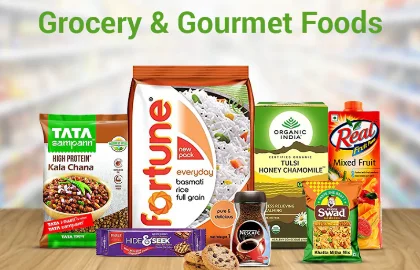
Amazon’s Grocery & Gourmet Food category covers everything from shelf-stable pantry staples to gourmet snacks and specialty imports – and wholesale buyers sourcing into this category run into a different set of rules than most other categories on this site. Instead of a straightforward gated-or-not answer, food comes with its own expiration-date, shelf-life, and seasonal-handling requirements that apply on top of whatever approval status your specific product ends up needing.
Is Grocery & Gourmet Food a Gated Category?
The honest answer is that sources disagree, and Amazon’s own guidance on this has shifted over time. Some sellers report being able to list ordinary packaged grocery items without hitting any approval gate at all, with real restrictions only kicking in for specific brands or products. Other current guides describe the category as requiring upfront approval, with an itemized invoice from an authorized distributor (generally dated within the last several months), proof of purchasing multiple units of the same product, and product photos before you can list. Given that conflict, the safest approach is to attempt your listing first and be ready to respond with a wholesale invoice, supplier information, and photos if Amazon does ask – rather than assuming either way. A real, itemized invoice covers you either way, whether it’s satisfying an upfront approval gate or answering a challenge after the fact.
Expiration Date and Shelf-Life Rules Apply Regardless of Gating
Separate from whether a specific product needs approval, Amazon enforces its own shelf-life rules on anything with an expiration date. Expiration dates on outer packaging generally need to be clearly legible (guidance commonly cites large print, often around 36-point font) and in a recognizable format like MM-DD-YYYY or MM-YYYY. Inventory typically needs a substantial amount of shelf life remaining when it arrives at a fulfillment center – commonly cited as around 105 days or more – and Amazon can flag or automatically remove units once they get too close to expiring, often cited around the 50-day-remaining mark. For wholesale buyers, this means factoring real shelf life into your purchasing decisions, not just unit cost: a great price on inventory that’s already partway through its shelf life can turn into a removal-order headache a few weeks after it lands at a fulfillment center.
Temperature-Sensitive Products Face a Seasonal Restriction
Amazon separately restricts heat-sensitive grocery items during warmer months in the Northern Hemisphere, commonly covering roughly May through October. Products that melt or degrade in heat – chocolate, gummies, and some wax- or gelatin-based items – can be restricted from standard FBA storage and shipping during that window, with sellers expected to arrange removal orders ahead of the restricted period or switch to Fulfilled by Merchant to keep selling through it. If you’re sourcing anything chocolate- or gummy-based for Amazon resale, plan your bulk buying and inventory timing around this seasonal window rather than treating it like a year-round shelf item.
What Falls Outside Regular Grocery Approval
A few things sold near or alongside grocery products are handled under entirely different rules, not the standard Grocery & Gourmet Food process. Alcohol is its own separate, more heavily regulated category with its own licensing requirements. Dietary supplements sold in food-adjacent packaging still fall under Amazon’s Dietary Supplements gating – the same GMP and FDA-registration-heavy approval we’ve covered separately for the health side of Health & Household – not the grocery process. And any product carrying an organic claim generally needs to be backed by USDA organic certification, since Amazon can request that documentation on top of your standard wholesale invoice.
Wholesale Distributors US ships grocery and gourmet food inventory with a real, itemized invoice showing supplier details and purchase dates – the same documentation that can support an approval request or answer a compliance check either way. Apply for a wholesale account to see current terms.
FAQ
Do I need approval to sell Grocery & Gourmet Food products on Amazon?
It depends on the product and your account – some sellers can list ordinary packaged grocery items without a gate, while others are asked for an itemized invoice, proof of multi-unit purchase, and product photos before approval. Have your wholesale documentation ready either way.
How much shelf life does grocery inventory need when it reaches Amazon?
Amazon commonly expects a substantial amount of remaining shelf life at arrival – often cited around 105 days or more – and can flag or remove units automatically as they get close to expiring, commonly around the 50-day-remaining mark.
Can I sell chocolate or gummy products on Amazon year-round?
Amazon restricts heat-sensitive items like chocolate, gummies, and some wax- or gelatin-based products from standard FBA during the warmer months (commonly around May through October) unless you switch to Fulfilled by Merchant or plan removal orders ahead of the restricted window.
Related reading: Amazon Ungating Guide by Category (2026): What Invoices You Actually Need | Wholesale Health & Household Products for Amazon: What Actually Needs Approval | Invoice vs. Receipt for Amazon Ungating: What Actually Counts (2026)
Add a Comment