When you’re ready to buy wholesale in real volume, one of the first decisions is how the inventory should actually arrive — by the case, or by the pallet. Both are legitimate ways to buy in bulk, but they suit different sellers, warehouses, and sales volumes. Getting this wrong means either paying more per unit than you need to, or taking on storage and handling you’re not set up for.
What a Case Pack Is
A case pack is a manufacturer’s carton holding a fixed quantity of one product — typically 12 to 48 units per box, boxed for handling and protection. Each unit inside is the same SKU, condition, and packaging, intended for individual resale. Case packs can be handled by hand, shipped through standard parcel carriers, and stored on ordinary shelving, which makes them the more flexible option for sellers running a multi-SKU catalog.
What a Single-SKU Pallet Is
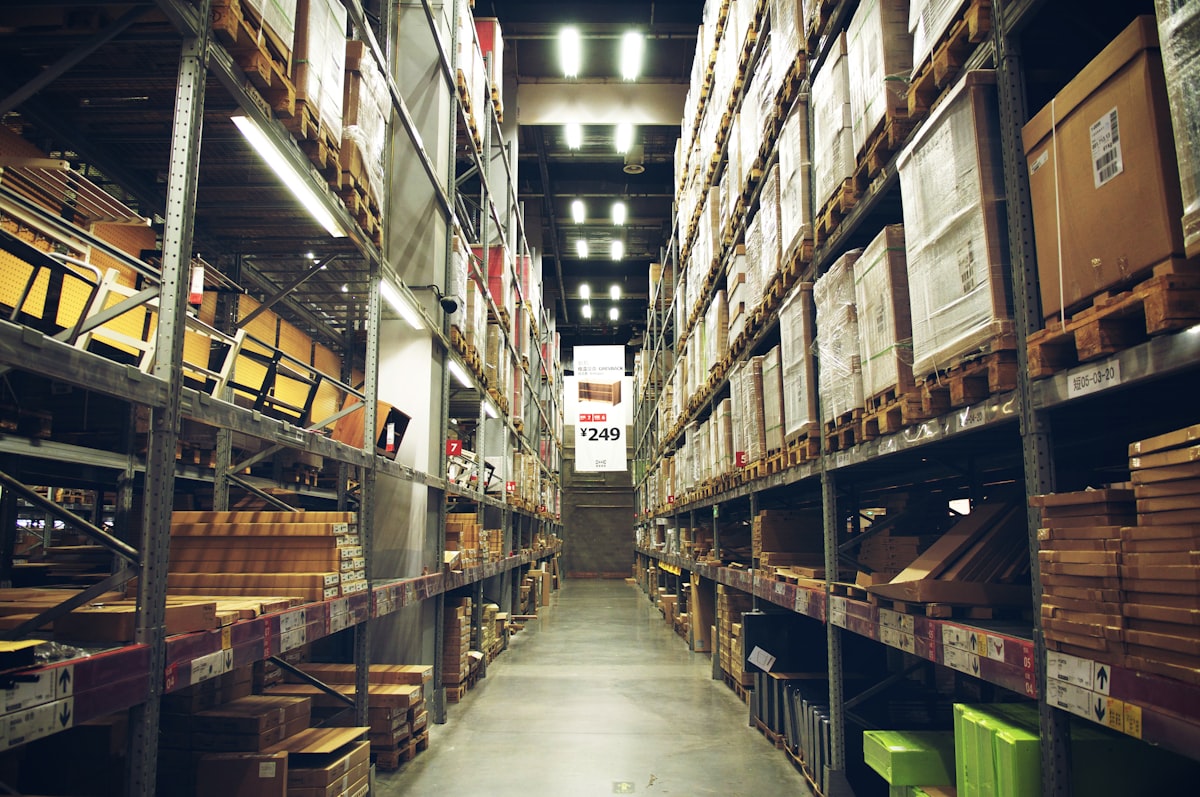
A pallet stacks hundreds of identical units of one product, stretch-wrapped together for bulk freight transport. Pallets minimize packaging overhead and take advantage of bulk freight rates, which meaningfully lowers the per-unit cost once volume is high enough — one pallet can replace roughly 40 individual case-pack slots in storage. The tradeoff is that pallets require a forklift or pallet jack to move, and dock access, racking, or real floor space to store.
Which One Actually Costs Less
The math shifts with volume. Case packs carry higher per-unit packaging costs but avoid committing to more inventory than you can move. Pallets minimize packaging and freight cost per unit, but only pay off once you’re confident you can sell through that quantity of a single product in a reasonable timeframe. As a rule of thumb, once a single product’s parcel shipping costs would exceed the cost of one LTL (less-than-truckload) pallet shipment, the pallet becomes the cheaper option. Our bulk purchasing unit cost breakdown and MOQ guide cover how to run that comparison for a specific product.
Storage and Receiving: Be Honest About Your Setup
Choose case packs if you’re running a varied, multi-SKU catalog, shipping anything fragile, relying on standard parcel carriers, or don’t have warehouse equipment. Choose pallets only once you have dock access, receiving infrastructure, and the floor space to store a full pallet safely — damage on a pallet is concentrated across hundreds of units at once, versus a smaller loss on a single carton. If you’re just starting to buy wholesale in bulk, our startup costs guide covers what a realistic first order actually requires.
What This Means for Amazon FBA Sellers
For FBA specifically, single-SKU case packs get scanned and stored by Amazon’s systems without being opened, which processes noticeably faster and carries less rejection risk than mixed shipments that need manual counting and labeling. Full pallet replenishments of one product follow the same logic at larger scale, provided the pallet meets Amazon’s shipment specs. Either way, matching your purchase format to your actual sales velocity — not just chasing the lowest sticker price — is what keeps a bulk order profitable.
Wholesale Distributors US offers both case pack and full pallet quantities on our catalog — apply for a wholesale account to order in the format that fits your business.
FAQ
What’s the difference between a case pack and a pallet in wholesale buying?
A case pack is a carton of 12-48 units of one product, while a pallet stacks hundreds of identical units together for bulk freight. Case packs are more flexible for smaller or varied orders; pallets lower the per-unit cost at higher volume.
Is buying a pallet always cheaper per unit than a case pack?
Only once volume is high enough. Case packs have higher per-unit packaging costs but let you avoid overcommitting to one product. Pallets minimize packaging and freight cost per unit, but only pay off if you can move that much inventory.
Do I need special equipment to receive a wholesale pallet?
Yes, generally a forklift or pallet jack along with dock access and enough floor space to store it safely. If you don’t have that infrastructure yet, case packs are the more practical starting point.
Related reading: Bulk Purchasing Unit Cost Guide | Wholesale Minimum Order Quantity (MOQ) Guide | Wholesale Purchasing Startup Costs | Wholesale Liquidation vs. New Overstock | How to Avoid Dead Stock When Buying Wholesale in Bulk | Amazon\u2019s Quantity Variation Theme Explained | Amazon Business Deals: What Wholesale Resellers Should Know | eBay Bundle Discounts for Wholesale Resellers | New Amazon LTL Shipping Labels for Bulky Orders | Amazon FBM Handling Time Rules 2026
Add a Comment